Joko Susilo
The Dalton Highway, a rugged 414-mile artery, represents the sole terrestrial link connecting Alaska’s vast road network with its remote Arctic Coast. This vital thoroughfare, often referred to as the "Haul Road," parallels the iconic Trans-Alaska Pipeline System (TAPS), serving as the critical conduit for semi-trucks transporting supplies and personnel to and from the prodigious oilfields at its northern terminus in Prudhoe Bay. Beyond the immediate corridor of this crucial infrastructure, the Alaskan landscape unfolds in an expanse of unparalleled wilderness, stretching largely unbroken for hundreds of miles to the east and west. Here, black spruce forests ascend into ancient mountain ranges and gradually yield to the expansive, rolling Arctic tundra, a biome globally recognized for its unique biodiversity and ecological significance. This immense and largely untouched habitat is not merely a scenic vista; it acts as a significant global carbon sink, playing a critical role in regulating Earth’s climate through its vast stores of permafrost and peatlands. Moreover, it sustains an extraordinary diversity of wildlife, including colossal caribou herds whose migrations define the rhythm of the land, abundant salmon runs vital to both ecosystem health and human sustenance, majestic moose, and various species of bear. For dozens of remote communities, including the Koyukon, Iñupiat, and Gwich’in peoples, these animals are more than just wildlife; they are integral to their cultural identity, spiritual practices, and, most crucially, their very food security, forming the bedrock of a subsistence lifestyle passed down through generations. However, this delicate balance, painstakingly maintained across millennia and carefully protected by specific federal directives for decades, now faces profound uncertainty as a pivotal shift in the ownership and management of the highway corridor looms.
The origins of the current controversy trace back to the mid-1970s, a period of intense energy development when the Dalton Highway and the Trans-Alaska Pipeline were under construction. Recognizing the immense environmental and societal implications of such a monumental project traversing pristine federal lands, the U.S. Interior Secretary at the time took decisive action. Through Public Land Orders (PLOs) 5150 and 5180, federal land specifically designated for the pipeline and road route was set aside. Crucially, these orders imposed stringent restrictions, blocking conflicting land uses and, significantly, preventing the transfer of these federal lands to either the State of Alaska or to Alaska Native corporations. This strategic designation ensured that the corridor remained under the purview of federal laws, which offer robust protections for historic sites, cultural resources, and the traditional hunting and fishing rights of rural subsistence users, a critical provision codified by acts such as the Alaska National Interest Lands Conservation Act (ANILCA) of 1980. Furthermore, federal land management mandates require any proposed development projects to undergo comprehensive public environmental review processes, including assessments under the National Environmental Policy Act (NEPA), and demand meaningful consultation with affected Tribal nations, safeguarding both ecological integrity and Indigenous sovereignty.

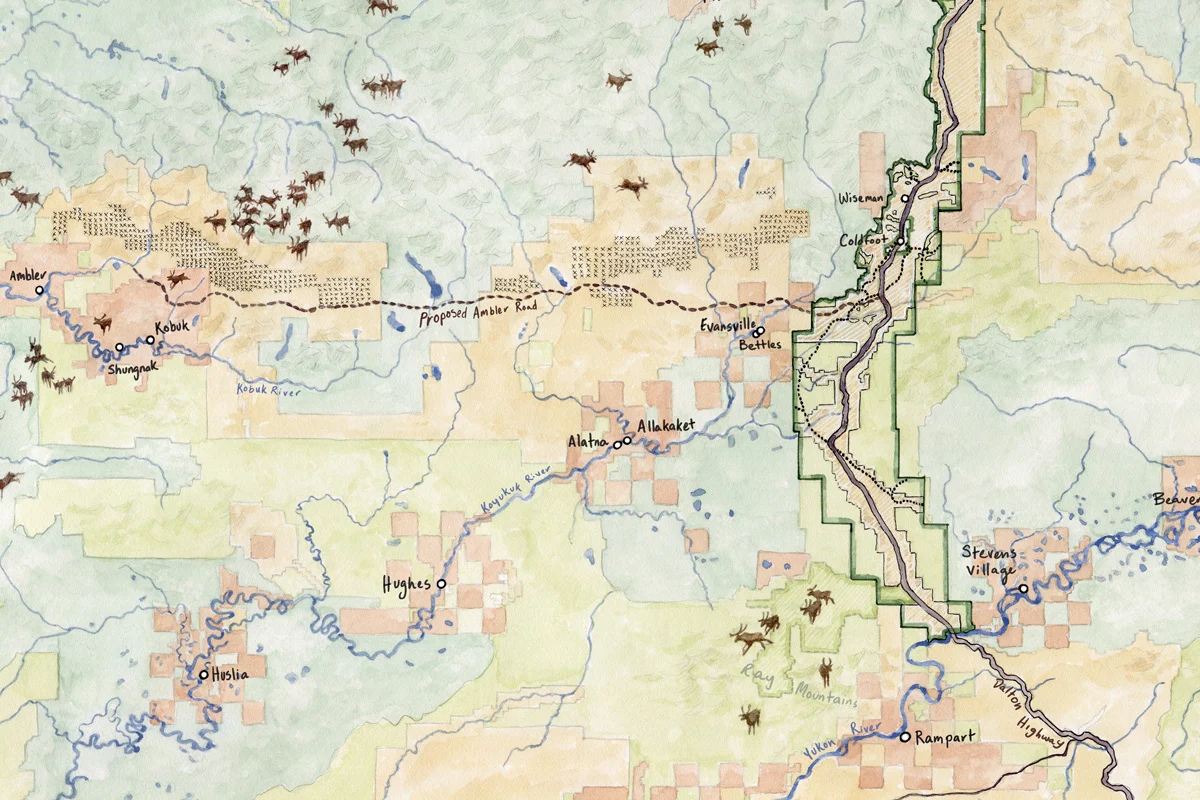
A dramatic reversal of this long-standing protective framework occurred in February, when the Trump administration officially rescinded both Public Land Orders 5150 and 5180. This executive action effectively stripped federal protections from approximately 2.1 million acres of Bureau of Land Management (BLM) property within the corridor, specifically north of the Yukon River. Following this revocation, the State of Alaska swiftly moved to claim a substantial portion—roughly two-thirds—of this newly available acreage. This claim is rooted in the Alaska Statehood Act of 1959, which entitled the nascent state to select 104 million acres of federal land to support its economic and governmental functions, a process that, even decades later, still leaves approximately 5 million acres owed to the state. The implications of this land transfer from federal to state ownership are far-reaching and deeply concerning for conservationists, Indigenous communities, and legal experts alike. Once these lands transition into state hands, the legal landscape governing hunting, fishing, and general public access undergoes a significant transformation. The intricate web of federal oversight, designed to balance development with environmental protection and Indigenous rights, is substantially reduced. This reduction in regulatory layers creates a more permissive environment for industrial development and significantly increases the risk for groups attempting to challenge proposed projects. In state court, a "loser pays" legal fee system often prevails, creating a formidable financial barrier that can deter environmental organizations and tribal entities from pursuing litigation, even when valid concerns about irreversible ecological or cultural damage exist.
"This is an incredibly destabilizing moment for the region and its people," remarked historian Philip Wight, co-author of a significant 2024 paper examining development trends within the Dalton Highway corridor. His assessment underscores the profound uncertainty now gripping communities and ecosystems across Alaska’s Interior and Arctic Slope. In response to the rescission, a coalition of environmental groups and Native organizations launched a lawsuit seeking to reinstate the protective Public Land Orders. While a federal court partially dismissed their initial challenge, these groups demonstrated unwavering resolve, filing an appeal on August 11. Regardless of the ultimate judicial outcome, activists have firmly committed to continuing their fight through all available avenues, emphasizing that the long-term stewardship of these lands is paramount. April Monroe, Native Lands Manager for the Tanana Chiefs Conference—a powerful consortium representing 42 tribal nations and villages that vehemently opposed the rescinding of the orders—articulates the stakes with stark clarity. "The first, last, and only defense against climate crisis is intact ecosystems," Monroe asserted, highlighting the global ramifications of local land decisions. "The fate of the world rests on whether they can be protected." This sentiment echoes the broader scientific consensus that the Arctic, warming at twice the global average, represents a critical frontier in the battle against climate change, and its intact ecosystems are invaluable natural climate solutions.
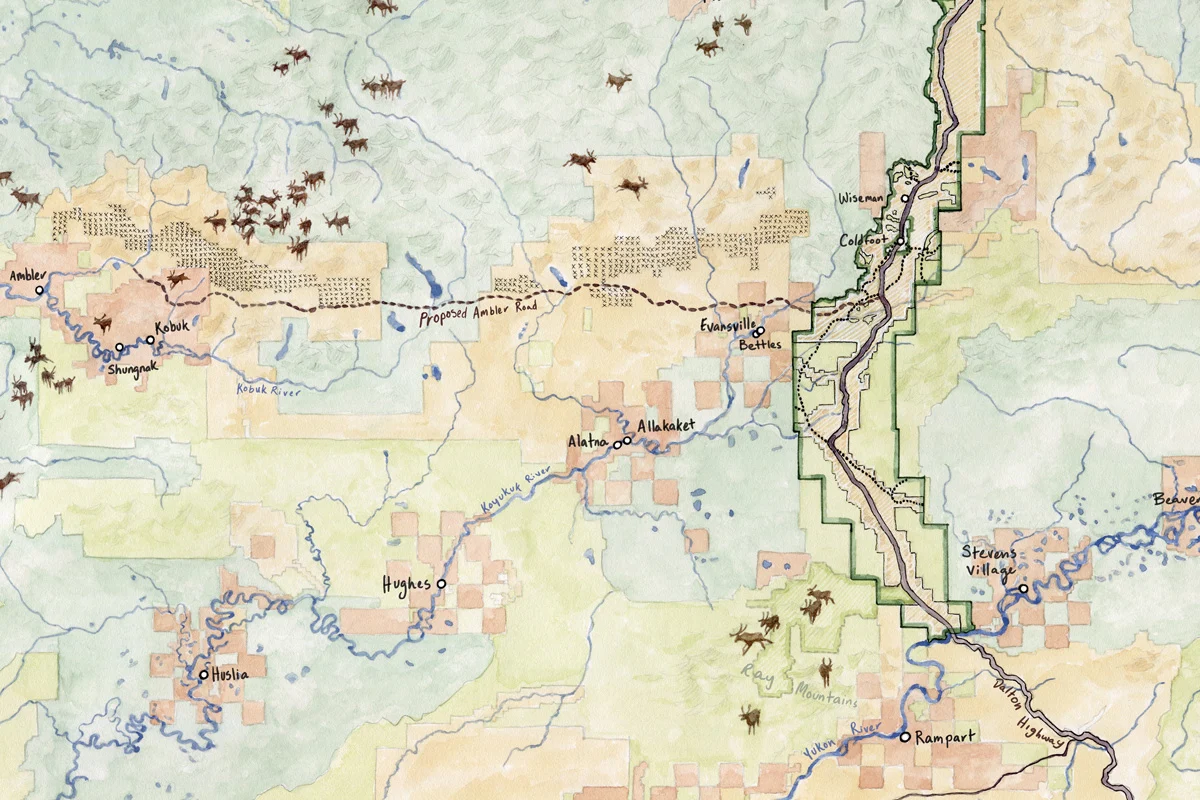
The State of Alaska’s ambition extends beyond mere ownership; it seeks to leverage these newly acquired lands to foster substantial economic development, particularly in resource extraction. This includes a vision for expanded access, with proposals for new roads radiating north, east, and west from the Dalton Highway, aiming to connect existing state lands with vast, untapped mineral resources. Crucially, the land transfer encompasses areas directly in the path of the highly controversial Ambler Road, a proposed private industrial highway. This ambitious project, if realized, would unlock access to the Ambler Mining District, a region rich in critical minerals spanning the southern Brooks Range. The global demand for minerals like copper, cobalt, zinc, and rare earth elements, essential for renewable energy technologies, electric vehicles, and advanced electronics, fuels this push, positioning Alaska as a potential key player in the global supply chain for strategic resources.

The potential environmental costs of such development are staggering. Caribou, iconic symbols of the Arctic, are acutely sensitive to habitat fragmentation, which can disrupt their ancient migratory routes and access to vital calving grounds. The Western Arctic Caribou Herd, one of North America’s largest, has already experienced a dramatic 75% decline since 2003, a trend exacerbated by climate change and increasing human disturbance. Studies indicate that the Ambler Road could act as a significant barrier, deflecting or delaying the herd’s crucial fall migration, which is already shifting later in the season due to warming temperatures. Furthermore, the proposed road would traverse thousands of sensitive waterways, posing an existential threat to struggling salmon runs, as well as sheefish and whitefish populations that form the backbone of local ecosystems and subsistence diets. Beyond immediate impacts, the development would inevitably cross extensive permafrost regions. Disturbing this permanently frozen ground hastens its thaw, releasing immense quantities of ancient sediment and minerals into vital waterways, with potentially toxic levels of heavy metals harming aquatic life. More critically, permafrost thaw contributes to widespread land subsidence, destabilizing infrastructure, and, most ominously, unleashing vast stores of trapped carbon—in the form of potent greenhouse gases like methane and carbon dioxide—into the atmosphere, creating a dangerous positive feedback loop that accelerates global climate change.
The consolidation of land ownership in state hands also potentially streamlines the path for large-scale fossil fuel extraction projects. Among these is a proposed 800-mile natural gas pipeline, designed to parallel the Dalton Highway and transport immense natural gas deposits from the North Slope to a potential export terminal on the Kenai Peninsula. While the staggering estimated price tag—up to $70 billion—remains a significant hurdle, incremental "wins" like land transfers can cumulatively improve the long-term prospects of such megaprojects by reducing permitting complexities and land access issues. If constructed, this pipeline would inevitably spur increased Arctic drilling and related infrastructure development, potentially encroaching upon the embattled calving grounds of the Porcupine caribou herd, an internationally significant herd shared with Canada, whose health is critical to both Indigenous peoples and the broader Arctic ecosystem. For the human residents of this fragile region, the consequences are immediate and profound. Habitat fragmentation directly hinders access to traditional hunting and fishing grounds, compromising the very foundation of food security for rural residents, encompassing both Alaska Native and non-Native communities who rely on the land for sustenance. The transfer of land out of federal jurisdiction often results in the loss of priority hunting and fishing rights that were previously protected under federal frameworks, which prioritized local and subsistence users. For example, residents of Wiseman, who once had the right to harvest one moose each winter on nearby federal lands, now face a stark choice: undertake arduous journeys to remaining federal lands or compete in a limited tag lottery. This lottery is open to all Alaskans, as well as guides catering to lucrative out-of-state clients, drastically increasing competition and reducing the reliability of subsistence harvests, thereby threatening a way of life that has sustained communities for millennia.
Historically, access to the immediate vicinity of the Dalton Highway was tightly controlled to minimize ecological impact. Snowmobile use within five miles of the highway was largely restricted, with exceptions primarily granted to locals engaged in essential activities like hunting or collecting firewood on federal land. With the shift in ownership to the state, this vital exception for local subsistence users vanishes. While the State of Alaska has pledged to mitigate this by allowing snowmobile travel on 10 historic routes for residents to access adjacent federal lands and is actively working on additional motorized easements, this solution presents its own set of challenges. Crucially, these new routes and easements will be open to all Alaskans, not just local residents. This broader access inevitably means a significant increase in motorized traffic, leading to greater disturbance of wildlife, increased pressure on delicate ecosystems, and potential conflicts over resource use. The cumulative impact of these changes—new roads, mines, pipelines, increased access, and altered land management—threatens to fundamentally reshape one of the planet’s last truly wild frontiers. The decisions made regarding the Dalton Highway corridor today will reverberate for generations, determining the future of Alaska’s iconic wildlife, the survival of its Indigenous cultures, and the global effort to combat climate change in a rapidly warming Arctic.