Joko Susilo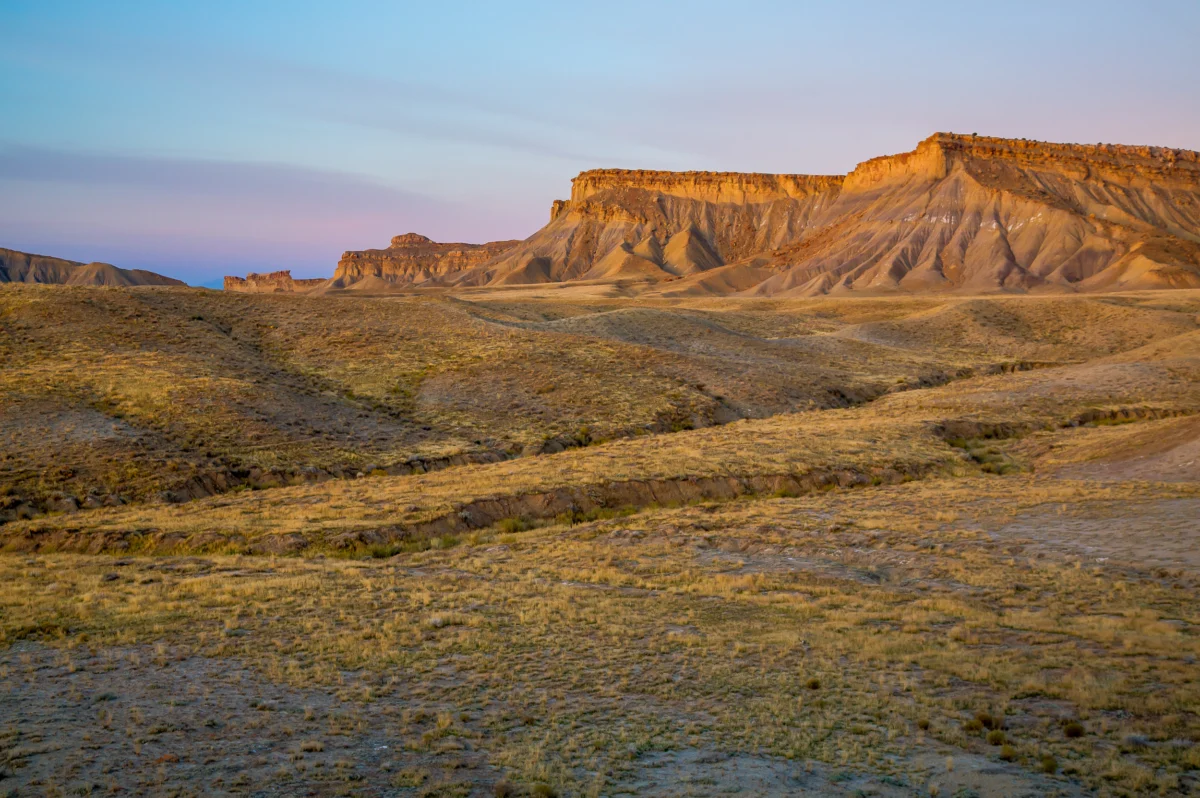
In a move that has sent ripples through the hunting community and ignited a fervent dispute over indigenous land rights, the Utah Legislature, in March 2025, quietly enacted a significant increase in non-resident hunting permit fees, effectively doubling prices for many big game tags. This unexpected legislative maneuver, which was discovered through online forums rather than official public channels, positions Utah as one of the most expensive states for out-of-state hunters, further cementing a national trend that sees hunting transition from an accessible pastime to a luxury pursuit. The fee hike bypassed the Utah Department of Wildlife Resources’ (DWR) conventional, transparent process, which typically involves extensive public meetings and stakeholder consultations statewide. Instead, the Republican-dominated Legislature embedded these substantial changes over one hundred pages deep within an agency-funding bill, with Governor Spencer Cox signing it into law before the DWR issued any public statement regarding the profound shift.
This surreptitious legislative action, however, was not an isolated event but the culmination of a meticulously orchestrated campaign by state Representative Casey Snider, R-Paradise, in conjunction with key wildlife agency leaders, including Joel Ferry, the former legislator and current Director of the Department of Natural Resources. Their objective was ambitious: to secure tens of thousands of acres of game-rich land from the Utah Trust Lands Administration (TLA), formerly known as the School and Institutional Trust Lands Administration (SITLA). This acquisition was intended to shield some of Utah’s most pristine hunting grounds from potential development or sale, preserving them for public access and wildlife habitat, a cause Snider has championed fiercely throughout his legislative career. Yet, the method employed to achieve this goal, characterized by its lack of transparency, has drawn sharp criticism and ignited a long-simmering conflict with the Ute Indian Tribe.

State trust lands, unlike federal public lands managed by agencies like the Bureau of Land Management or the U.S. Forest Service, operate under a unique mandate. Established through federal land grants upon statehood, their primary purpose is to generate maximum economic revenue for specific beneficiaries, predominantly the state’s public education system. While the TLA has historically permitted public hunting, this activity generates only modest income. When these lands are offered for sale, state law obligates the agency to accept the highest bid, a fiduciary duty that often pits conservation efforts against lucrative opportunities from real estate developers, or oil and gas and mineral extraction companies. Historically, the Utah Legislature has not allocated sufficient funds to the DWR to compete effectively in such bidding wars, making timely acquisitions of critical wildlife habitat nearly impossible.
This time, however, Snider and his allies had a specific potential buyer in their sights: the Ute Indian Tribe. The Uintah and Ouray Reservation, once spanning four million acres in northwest Utah, suffered severe fragmentation due to the federal "allotment" policy of the late 19th century, which forced the sale of tribal lands to individual settlers. Further dispossession occurred in 1905 when President Theodore Roosevelt commandeered over one million acres to establish what became Ashley National Forest, with Utah subsequently enrolling some of this territory as state trust land. Today, the TLA controls half a million acres within the reservation’s boundaries, compelling tribal members to pay significant annual fees for grazing permits on their ancestral lands. The Ute Tribe has been actively seeking the return of these lands, having previously attempted to purchase trust land at auction and currently engaged in a federal lawsuit against the Department of Interior for the return of 1.5 million acres. Upon learning of Utah’s recent, quiet land deals, the Ute Tribe re-filed its longstanding lawsuit in November, accusing state officials, including Snider and Ferry, of fraudulently manipulating trust-land sales with "racial animus" to prevent the tribe from winning open bids. The Ute Tribe, through its legal counsel Linda Cooper, has repeatedly declined to comment on the ongoing legal battle.
The contentious history between the state and the Ute Tribe over land ownership came to a head in 2018 with the Tabby Mountain incident. Named for the late Ute Chief Tabby-To-Kwanah, this cherished public hunting area lies squarely within the Uintah and Ouray Indian Reservation’s historic boundaries. When the TLA decided to auction the parcel, expecting the DWR to be the sole interested buyer, the Ute Tribe entered the bidding and successfully outbid the wildlife agency, poised to reacquire a sacred ancestral hunting ground. This outcome, however, was deemed a "disaster" by wildlife officials, who had envisioned a seamless inter-agency transfer disguised as a public auction. The Ute Tribe’s policy of prohibiting non-tribal members from hunting on its sovereign land was a critical factor. Just a week after the auction, the TLA board controversially voted to suspend the sale of Tabby Mountain. In 2022, fueled by a whistleblower’s allegations that the sale was deliberately blocked to keep the land from the Ute Tribe, the tribe sued Utah officials in federal court for discrimination, fraud, and breach of fiduciary trust obligations to schoolchildren. Shaun Chapoose, then-chairman of the Ute Indian Tribe Business Committee, articulated the tribe’s outrage, stating, "It’s bad enough that the tribe has to spend millions of dollars just to buy back its own land… But what really grates is the deceit and treachery with which the state has acted in order to block the sale from going through to the tribe, as the highest bidder."

Even as a junior legislator during the Tabby Mountain controversy, Snider recognized the precarious position of public hunting access on trust lands. This experience solidified his commitment to creating a sustainable mechanism for the DWR to acquire such parcels. Following the acquisition of another contested hunting area, Cinnamon Creek, where the DWR secured the land after a frantic fundraising effort, Snider identified the critical need for a standing budget for the wildlife agency to make timely land bids. Over subsequent legislative sessions, Snider worked to address this, establishing a modest land-buying fund. In 2024, he spearheaded a pivotal bill that authorized the TLA to directly sell parcels larger than 5,000 acres to the DWR at fair market value, sidestepping the public auction process. This legislation immediately drew sharp criticism from the Ute Tribe Business Committee, which viewed it as a direct attempt to prevent them from reacquiring ancestral lands. Snider initially downplayed these concerns, noting the law specifically exempted Tabby Mountain. However, his focus had long been fixed on another significant trust land block bordering Ute territory: the Book Cliffs Roadless Area.
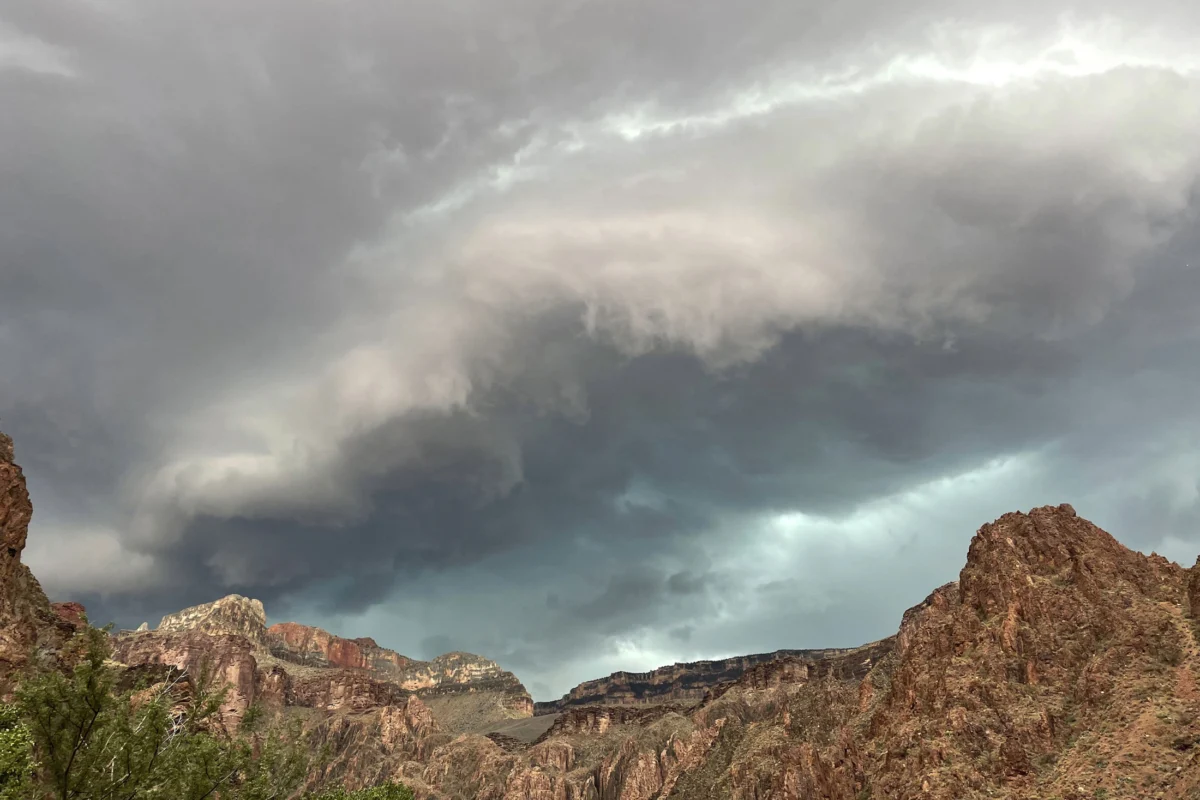
The Book Cliffs Roadless Area, a sprawling 50,000-acre expanse of rugged mountain country in Utah’s northeastern corner, represents a biological treasure. Home to one of the nation’s few herds of wild, unfenced buffalo, alongside substantial populations of elk and mule deer, and a pristine native trout fishery, it remains largely untouched by industrial activity save for a few grazing permits. Crucially, the Book Cliffs also harbor significant oil reserves. In 2013, the TLA board voted to lease the area for petroleum development, a decision that sparked widespread backlash from hunters and anglers, prompting then-Governor Gary Herbert to suspend the lease. Snider, at the time serving as the state coordinator for Trout Unlimited, was a prominent voice among the opposition, highlighting the area’s immense conservation and recreational value. By the outset of the 2025 legislative session, Snider had formulated a strategy to acquire this vital land; all that remained was securing the necessary funds.
Snider achieved this funding quietly through a two-pronged approach, strategically utilizing the legislative appropriations process rather than standalone bills that would invite public scrutiny. First, he secured authority for the DWR to unilaterally double the cost of non-resident hunting permits. Unlike the typical, publicly vetted fee adjustment process, this authorization was embedded within the agency’s appropriations budget. The DWR, citing a policy of not commenting on pending legislation, remained silent until the measure became law, subsequently increasing out-of-state hunting fees by approximately 40% across the board. This immediate surge transformed Utah’s non-resident permits from some of the most affordable in the West to among the most expensive. For premium mule deer, elk, and bighorn sheep permits, Utah’s prices now rival or exceed those of Wyoming’s "special draw," a mechanism that effectively grants deep-pocketed applicants a higher chance at scarce tags. DWR Director Riley Peck defended these increases by claiming they aligned with "relevant market values of neighboring states," a statement that elides the foundational principle of the North American Model of Wildlife Conservation, which aims to distribute permits through state agencies precisely to mitigate market pressures on wildlife.

The second part of Snider’s funding strategy involved a substantial, one-time appropriation of $50 million for the DWR to purchase "unspecified tracts" of state trust land, ostensibly to preserve hunting access. This significant sum was diverted from the state’s education "rainy day" fund. The measure sailed through the Executive Appropriations Committee with minimal discussion during a February 28 meeting last year. Senator Kathleen Riebe, a Salt Lake City Democrat, was the sole committee member to oppose it, expressing alarm at the lack of transparency, having only learned of the land purchases that day. Her inquiries to environmental groups revealed a shared ignorance regarding the proposal. "There was no process or transparency for how we got here," Sen. Riebe observed, questioning, "If it’s a good thing, why don’t we champion it more?" During interviews last year, Snider consistently denied that his legislative tactics were specifically aimed at acquiring trust land in the Book Cliffs or elsewhere, asserting, "It’s not targeted for any particular acquisition… (the Trust Lands Administration) is not the target for this. It could be anything — any target that’s critical for public-land hunting and fishing. I don’t ever want to be in that scramble again, like we were on Cinnamon (Creek)."
However, records obtained through state freedom of information laws contradict Snider’s public statements, revealing a clear, long-term intent to acquire specific parcels. A January 30, 2025, group text from Snider to DWR Director Peck and others explicitly stated, "How much do I need ongoing to buy the book cliffs (sic) and everything else," adding, "I’m going to grab it," after noting the hunting fee increases would generate $19.4 million. Furthermore, internal emails show DWR officials, at the direction of Department of Natural Resources Director Joel Ferry, proactively gathered appraisal values for 86,810 acres of trust land in other key areas, including North La Sal, South La Sal, and Sand Ledges, prior to last year’s legislative session. A November 19, 2024, email from DWR Deputy Director Mike Canning to Ferry outlined acquisition priorities, stating, "If we need to prioritize, I would love to be able to acquire the Book Cliffs Roadless, Tabby Mountain, and La Sal North… If we’re down to just the best of the best, the Book Cliffs and Tabby would likely be around [redacted]." Shortly after the session, the DWR publicly acknowledged its interest in the Book Cliffs Roadless Area, citing its value for wildlife habitat, recreation, hunting, and camping. Canning defended the move, stating, "We would like to have that land under our protection so it’s not getting locked up or sold off… This is actually the opposite of most of the criticisms we hear of Utah and management. This is about bringing more land into public protection." In November 2025, the Ute Tribe re-filed its Tabby Mountain lawsuit, adding Snider and Ferry as defendants and accusing them of illegally colluding to prevent the tribe from acquiring the Book Cliffs Mountains Roadless Area.
In May, the TLA’s board of trustees convened to consider the first land deal under Snider’s new law authorizing direct sales to the DWR. On paper, the transfer of surface rights for the Book Cliffs Roadless Area appeared financially sound for the TLA. Two independent appraisals valued the land at approximately $30 million, a substantial increase over the paltry $125,000 it generated annually through grazing and hunter access fees. Critically, the TLA opted to retain the mineral rights, preserving the potential for future revenue should cost-effective oil extraction become feasible. However, the deal’s financial transparency has been called into question. The $50 million allocated by the Legislature for DWR’s land purchases originated from the state’s education "rainy day" fund. By selling the Book Cliffs to the DWR for $30 million, the TLA effectively moved state money from one state fund (education) to another (the TLA’s operating budget for schools), raising concerns about whether it truly maximized economic potential as mandated by its fiduciary duty. Nevertheless, the trustees approved the sale on June 16, by a vote of 5-to-1.

This controversial sale is poised to trigger significant legal challenges stemming from Snider’s legislative maneuvers. The Ute Tribe’s re-filed lawsuit directly targets state officials for allegedly attempting to bar them from bidding on the Book Cliffs. Additionally, Advocates for School Trust Lands, a national nonprofit, has expressed concerns that Snider’s legislation allowing direct, no-bid sales of trust lands to the DWR for conservation purposes may violate long-standing federal laws requiring trust lands to fetch the highest possible price in a public auction. This could expose the state to legal liability for failing to uphold its fiduciary responsibilities to public schoolchildren. Furthermore, a future conflict looms: if oil extraction in the Book Cliffs Roadless Area becomes economically viable, the TLA’s mandate to maximize revenue for schools and the DWR’s mission to protect natural resources could once again clash directly. "Anything that opens yourself up to a lawsuit is not really prudent as a trustee," remarked Tonia Day, CEO of Advocates for School Trust Lands.
For the immediate future, the DWR plans to continue acquiring trust lands. The agency retains approximately $20 million from last year’s appropriation for additional purchases, and the TLA is currently reviewing the sale of several other targeted blocks, including those identified by the wildlife agency prior to last year’s legislative session. Meanwhile, the significantly increased non-resident hunting permits have established a stable new revenue stream for future acquisitions. While the number of non-resident big game tag applications saw a slight dip in 2025 following the price hikes, applicants still vastly outnumber available permits, underscoring continued demand. Out-of-state hunters contributed roughly $7 million to the state’s land-buying fund last year, according to the DWR, and wildlife officials still possess the authority to raise these permit fees by another 45% before reaching the legislative ceiling.
Having successfully closed the Book Cliffs deal, Representative Snider now speaks more candidly about his objectives, often framing his land conservation ethos in direct contrast to the Ute Tribe’s claims. While he previously sidestepped his long-simmering tensions with the tribe, he now publicly asserts, "These large blocks should be open to every member of the public, tribal or non-tribal," adding, "Tabby Mountain should be open to tribal members and non-tribal members. Go ask the public if they want to see lands they’ve been publicly recreating on privatized or locked up. I don’t think they do." This statement encapsulates the profound and often irreconcilable tensions at the heart of Western land politics: the desire for public access and conservation, the fiduciary duty of state trust lands, and the deeply rooted, historical claims of indigenous peoples seeking to reclaim their ancestral territories.