Roger Danuarta
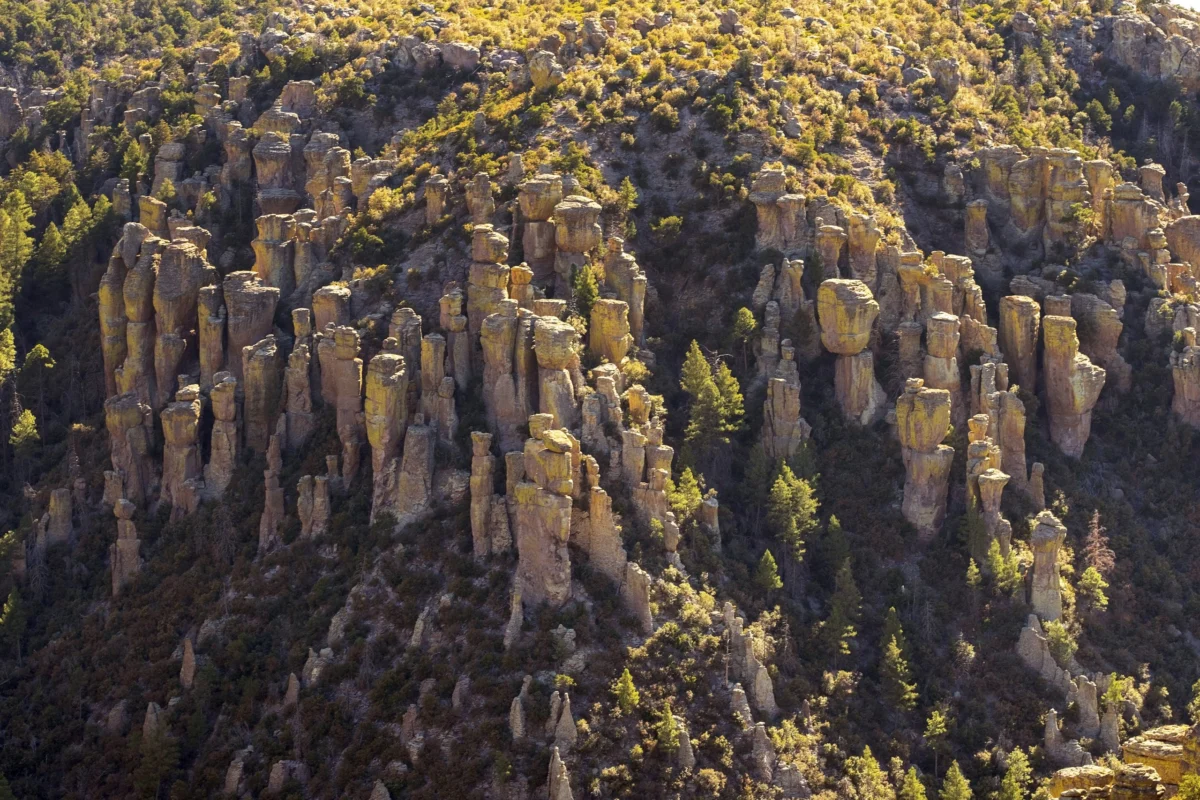
The majestic Chiricahua Mountains, a remote and ecologically vital range in southeastern Arizona, now stand recognized as a national park, a designation poised to transform this unique "sky island" ecosystem. President Donald Trump officially signed the bipartisan bill into law on October 20, marking a significant milestone as the first new national park established during his second presidency. This elevation from national monument status ushers in an era of heightened visibility and potential visitation for a landscape renowned for its dramatic rock formations, rich biodiversity, and critical role as a migratory corridor.
Nestled within the vast expanse of the Chihuahuan and Sonoran Deserts, the Chiricahuas form a crucial component of the Madrean Sky Islands archipelago, a chain of isolated mountain ranges rising abruptly from the desert floor. These ecological islands, scattered across northern Mexico and the southwestern United States, harbor relict populations of species typically found at higher latitudes or in more tropical climes. They serve as biodiversity hotspots, often described as biological crossroads where temperate and tropical species converge, creating an unparalleled mosaic of life. Human travelers, particularly birdwatchers and naturalists, flock to these mountains in spring and fall, hoping to glimpse rare avian visitors like the elegant trogon, a vibrant, chunky tropical bird closely related to the resplendent quetzal. Beyond the birds, elusive mammals such as the ring-tailed cat and even the critically endangered jaguar traverse these rugged terrains, their presence a testament to the Chiricahuas’ enduring wildness and connectivity to ecosystems further south.

These wild creatures navigate vast stretches of open desert, agricultural fields, and the complex international border, utilizing the isolated sky islands as vital stepping stones. This natural "hopscotching" highlights the inherent interconnectedness of landscapes that often appear disparate, emphasizing the importance of preserving these corridors against increasing fragmentation from human development and border infrastructure. The challenges posed by the U.S.-Mexico border wall, for instance, significantly impede the movement of many species, threatening genetic diversity and the long-term viability of populations, especially for wide-ranging carnivores like jaguars.
Accessing the Chiricahuas from the north often means passing through a dramatic gap in the rock formations, leading to the aptly named town of Portal. This gateway presents a stark transition: one moment, sprawling, dusty fields, frequently patrolled by Border Patrol agents, dominate the view; the next, the landscape tightens into a verdant canyon, carved by the south fork of Cave Creek, dotted with rustic log cabins and cloaked in dense forest. This interface represents more than just a geographical shift; it embodies a dynamic convergence of vastly different ecosystems and human ways of life, a microcosm of the broader American West where conservation efforts constantly intersect with economic development, resource management, and geopolitical realities.
The re-designation from a national monument to a national park signifies a substantial shift in management and public perception. National parks typically receive greater federal funding, more robust visitor services, and often a higher profile, attracting a broader and larger audience than national monuments. While monuments are designated to protect specific natural or historic features, national parks are established for their scenic beauty, natural wonders, and recreational opportunities, often encompassing a wider array of resources. This elevated status will undoubtedly bring increased tourism to the Chiricahuas, potentially offering an economic boon to small, often struggling, rural communities like Portal and nearby Wilcox. However, this influx of visitors also presents significant management challenges, including the need to balance increased access with the imperative to protect fragile ecosystems from human impact such as trail erosion, waste accumulation, and potential human-wildlife conflict.

The bipartisan support for this bill underscores a rare consensus on conservation in a politically divided era. It reflects a growing understanding of the economic and ecological value of protected areas, even as discussions about land use and environmental policy remain contentious. The move also prompts reflection on the broader trajectory of conservation under the Trump administration, which, despite some actions perceived as detrimental to environmental protections, also oversaw the establishment of new protected areas, highlighting the complex and sometimes contradictory nature of environmental governance.
The future of these dry lands, like much of the American West, remains a subject of intense discussion and concern. Reports of significant land parcels, potentially hundreds of miles away, coming up for sale often spark immediate interest among conservationists and developers alike. These seemingly isolated transactions can have ripple effects across vast regions, influencing everything from water rights and wildlife corridors to the character of rural communities. The arid climate of the Southwest makes water resources particularly precarious, and any change in land ownership or use can profoundly impact regional water availability, a critical factor for both human settlements and natural ecosystems in an era of escalating climate change and prolonged drought.
In this context, the role of independent journalism becomes paramount. Publications dedicated to covering the American West often function as vital conduits, connecting far-flung land-bound communities through a robust web of information. They translate the complex interplay of environmental shifts, policy changes, and socio-economic pressures from one region to another, allowing inhabitants to understand broader trends and prepare for potential impacts. This intricate network of reporting acts as an early warning system, forecasting changes that might otherwise catch communities unawares, whether it involves the long-term implications of a national park designation or the subtle yet profound shifts brought about by distant land sales. By illuminating these interdependencies, such journalism fosters a collective awareness, essential for navigating the evolving environmental and social landscape of the West. The Chiricahua National Park, with its newly elevated status, will undoubtedly become a focal point for these ongoing discussions, representing both the triumph of conservation and the enduring challenges of stewardship in a rapidly changing world.