Rocky Gerung
The first imperative is to render oneself incomprehensible, for understanding, in this context, fuels a particular kind of hunger. The language has become thick with the residue of environmental degradation, a smog of words that obscures as much as it reveals. This obfuscation breeds a profound fear: a fear of the very forces that inspire, a fear that arises in the shadow of our destroyers. This sentiment echoes through the work of Indigenous writers and artists who grapple with the existential threat posed by resource extraction and the lingering trauma of colonial legacies.
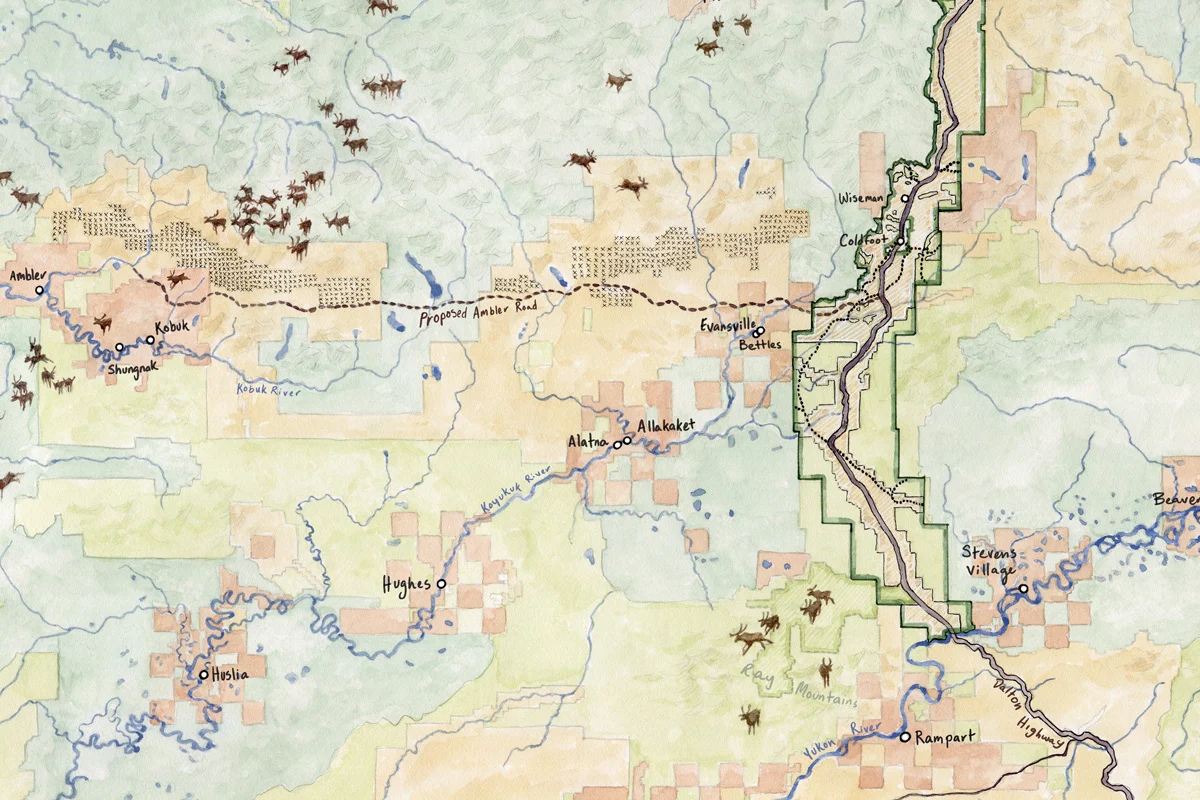
In dreams and visions, the departed peers offer stark counsel, eschewing decorative pronouncements of suffering. They convey a clear message: prettification is inappropriate, and any attempt to describe pain in superficial terms is a disservice to their memory and to the ongoing struggle. Their spectral gestures point to the raw wounds inflicted upon the earth – the insatiable maw of gold dredges, tearing into the soil, their mechanical jaws sinking deeper as the permafrost, once a symbol of immutable endurance, melts into a liquid hell. This imagery serves as a potent metaphor for the accelerating degradation of the Arctic and its surrounding environments, a region disproportionately impacted by climate change and the relentless pursuit of natural resources. The thawing permafrost, a critical component of the Arctic ecosystem, not only releases vast quantities of greenhouse gases but also destabilizes infrastructure and threatens Indigenous communities whose way of life is intrinsically linked to the frozen landscape.
The call to action, therefore, is not one of passive observation but of profound immersion in this ecological and spiritual crisis. "Let us wash ourselves in those waters," the poem suggests, acknowledging the contaminated state of the natural world, and "Let us thirst because we cannot drink them," a poignant expression of loss and the impossibility of returning to a pristine state. This paradoxical embrace of desolation underscores the deep connection Indigenous peoples maintain with their ancestral lands, a connection now strained by environmental devastation. The longing for pure, life-giving water, now rendered undrinkable, encapsulates the broader tragedy of a world where nature’s bounty has been corrupted by human avarice.
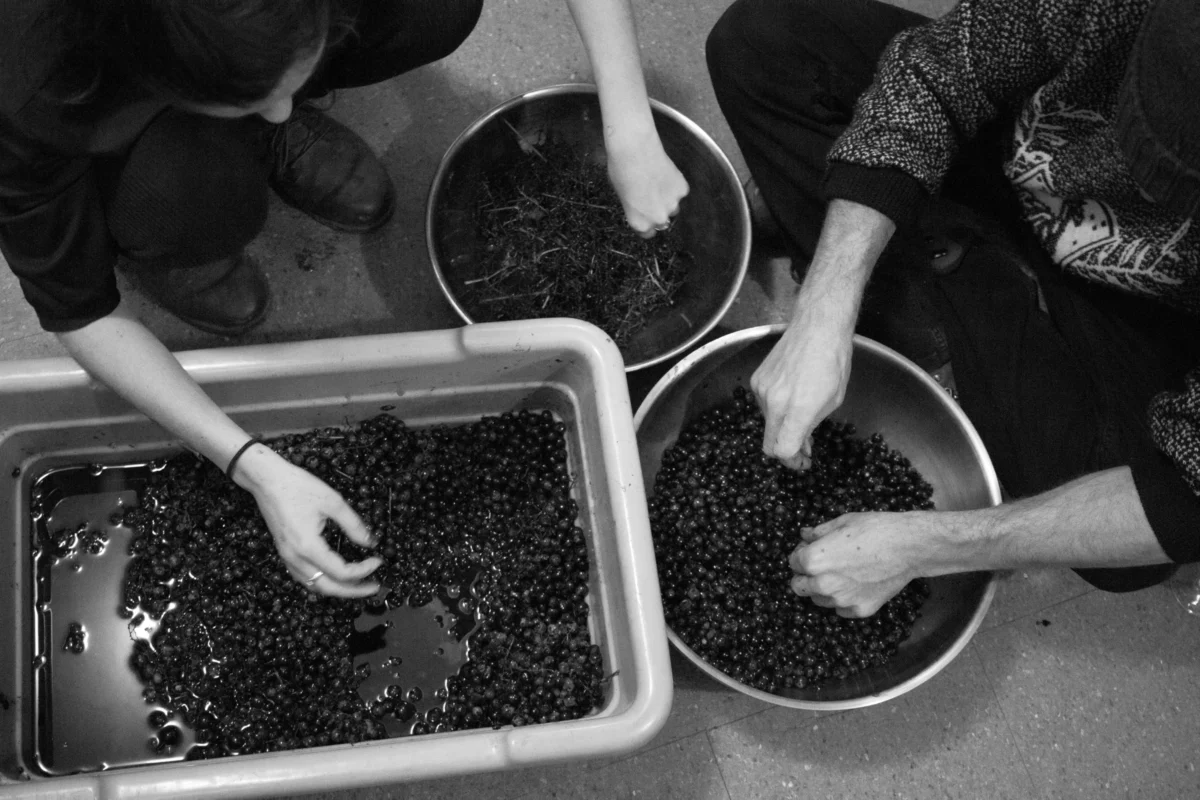
The generational transmission of memory and resilience is further illuminated through the evocation of mothers’ stories, recounting lost girlhoods. These memories are tied to intimate, yet desperate, acts of survival and cultural preservation. The act of rolling willow leaves in toilet paper, a seemingly mundane gesture, becomes imbued with profound significance. This was not an act of recreation, nor a flirtation with oblivion, but a deliberate quest for clarity, a desperate attempt to transcend the suffocating reality of their circumstances. The visions sought were not of altered states of consciousness for pleasure, but of spiritual insight, a connection to something sacred, personified by the figure of Mary, a symbol of motherhood and solace. This act of seeking visions, even through unconventional means, speaks to a deep-seated spiritual yearning and the enduring human need for meaning in the face of overwhelming adversity. It highlights the ingenuity and resourcefulness of Indigenous women in preserving their cultural practices and spiritual beliefs, even when traditional methods were no longer viable or accessible.
The context for these reflections is the broader struggle of Indigenous communities worldwide to reclaim their sovereignty, protect their lands, and revitalize their cultures in the face of ongoing colonial pressures and the escalating climate crisis. This struggle is not confined to the Arctic; it is a global phenomenon, manifesting in diverse ways across continents, from the Amazon rainforest to the arid plains of Australia. Indigenous peoples, who have historically been stewards of the environment, are now on the front lines of ecological destruction, bearing the brunt of climate change impacts while often being excluded from decision-making processes that affect their territories.

The poetry’s exploration of "smog" and "destroyers" can be interpreted in multiple ways, encompassing not only industrial pollution and extractive industries but also the pervasive influence of dominant Western ideologies that have historically devalued Indigenous knowledge systems and cultural practices. The "hunger" mentioned at the outset is not merely physical but also a spiritual and cultural hunger, a yearning for wholeness and connection that has been fractured by historical trauma and ongoing systemic injustices. The desire to become "indecipherable" suggests a strategic withdrawal, a protection of the self and of cultural essence from forces that seek to commodify, control, or erase it. It is a form of resistance, a refusal to be fully understood or assimilated by a system that has proven destructive.
The poem’s resonance extends to the urgent need for greater understanding and appreciation of Indigenous worldviews, which often emphasize interconnectedness, reciprocity, and a deep respect for the natural world. These perspectives offer valuable insights and potential solutions to the global environmental challenges we face. However, achieving this understanding requires a willingness to listen, to learn, and to unlearn deeply ingrained biases and assumptions. It necessitates a fundamental shift in how we perceive our relationship with the planet and with each other, moving away from a model of extraction and exploitation towards one of stewardship and co-existence.
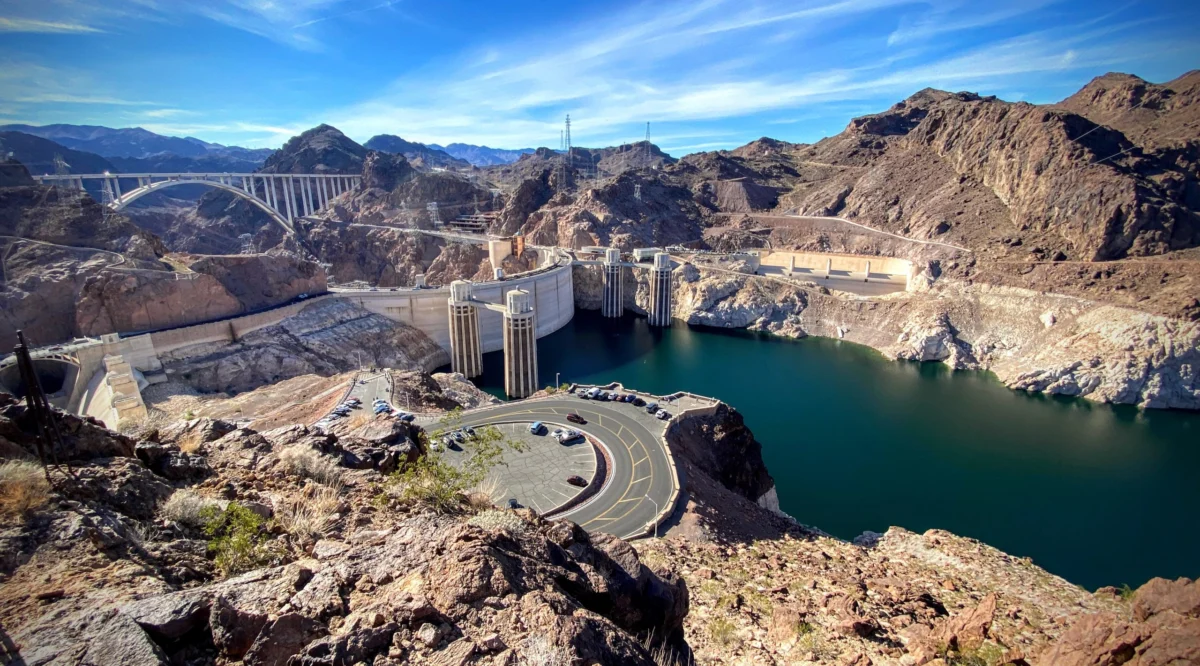
The reference to "gold dredges" and thawing permafrost is particularly pertinent in the context of global resource demands. The insatiable appetite for minerals, fossil fuels, and other commodities drives much of the environmental degradation in ecologically sensitive regions. This pursuit of profit often comes at the expense of Indigenous rights, environmental sustainability, and the preservation of cultural heritage. The poem serves as a powerful indictment of these practices, urging a reevaluation of our economic priorities and a recognition of the true cost of unchecked development.
Furthermore, the poem touches upon the complex legacy of colonization, which has disrupted Indigenous social structures, spiritual practices, and intergenerational knowledge transfer. The act of smoking willow leaves, while rooted in a specific cultural context, symbolizes a broader human impulse to seek guidance and meaning, particularly when traditional avenues are blocked or corrupted. It speaks to the enduring power of cultural memory and the ways in which individuals and communities adapt and innovate to maintain their identities and spiritual connections. The mention of "Mary" as "some kind of mother" suggests a universal archetype of nurturing and protection, a source of strength that transcends specific religious doctrines, highlighting the shared human experience of seeking maternal solace and guidance.
The call for reader engagement through letters to the editor signifies the importance of dialogue and public discourse in addressing these critical issues. By providing a platform for diverse voices, news organizations can foster a more informed and engaged citizenry, capable of advocating for meaningful change. The creative commons license for republication further underscores a commitment to open access and the widespread dissemination of important stories and perspectives, recognizing that these narratives have a broader societal relevance and can contribute to a collective awakening. The author’s own background, as a poet and co-editor of a work on Indigenous geographies of the Arctic, lends significant weight and authenticity to these observations, drawing from a deep well of personal experience and scholarly engagement with the circumpolar region and its peoples. This article, appearing in print and online, reaches a broad audience, aiming to bridge understanding between diverse communities and foster a greater awareness of the profound challenges and enduring resilience of Indigenous peoples in the face of a rapidly changing world.