Johny Prima
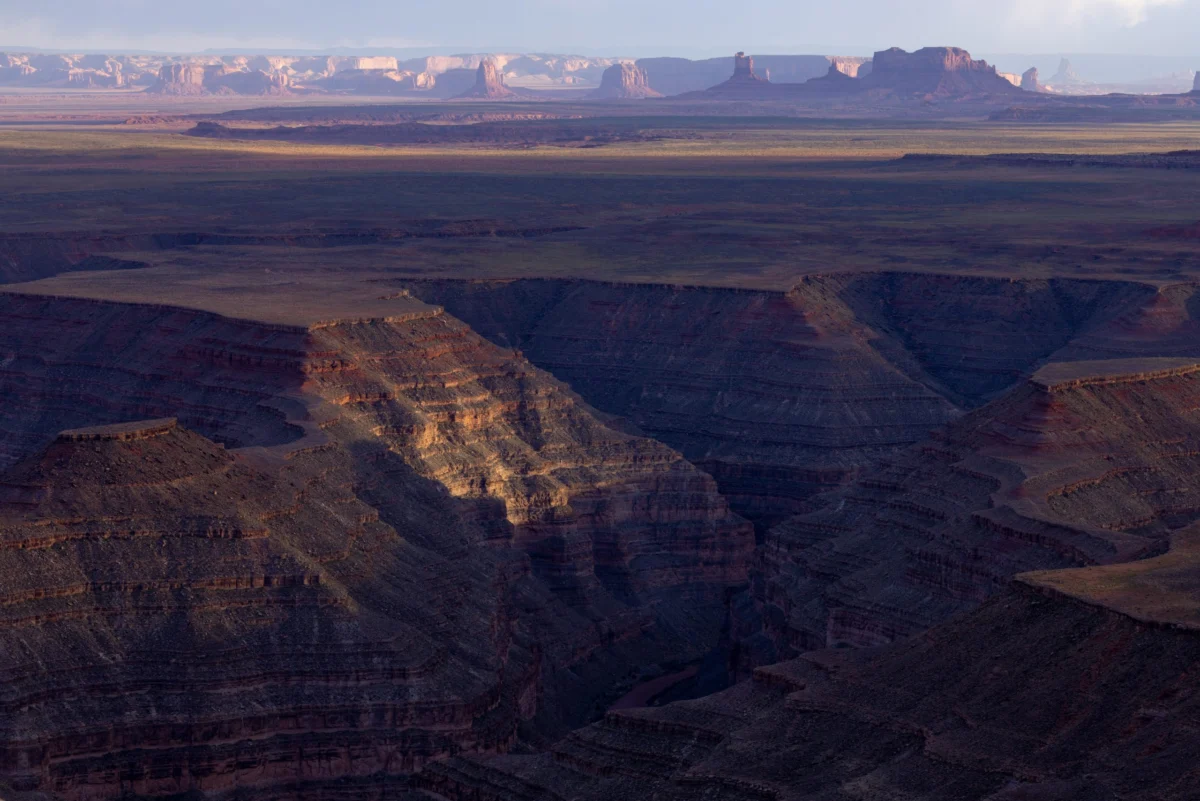
The wholesale rejection of the 2017 proclamation extends not only to Bears Ears but also to Grand Staircase-Escalante National Monument, another vast and ecologically significant landscape in Utah, which also saw its protected area nearly halved by the Trump administration. These reductions represent a grave affront to the inherent rights and sovereign status of tribal nations, including the Ute Mountain Ute Tribe, Navajo Nation, Hopi Tribe, Zuni Tribe, and Ute Indian Tribe of the Uintah and Ouray Reservation, whose collective leadership formed the Bears Ears Inter-Tribal Coalition and, subsequently, the Bears Ears Commission. No sitting president possesses the authority to unilaterally disregard the voices, invaluable leadership, and time-honored land-management practices of these sovereign nations, nor to sideline the meaningful consultation legally owed to the tribes who are inextricably tied to these ancestral territories. The United States, a nation barely 250 years old, pales in comparison to the Indigenous presence on this continent, which stretches back thousands of years, a continuous connection marked by profound spiritual, cultural, and historical ties to places like Bears Ears.
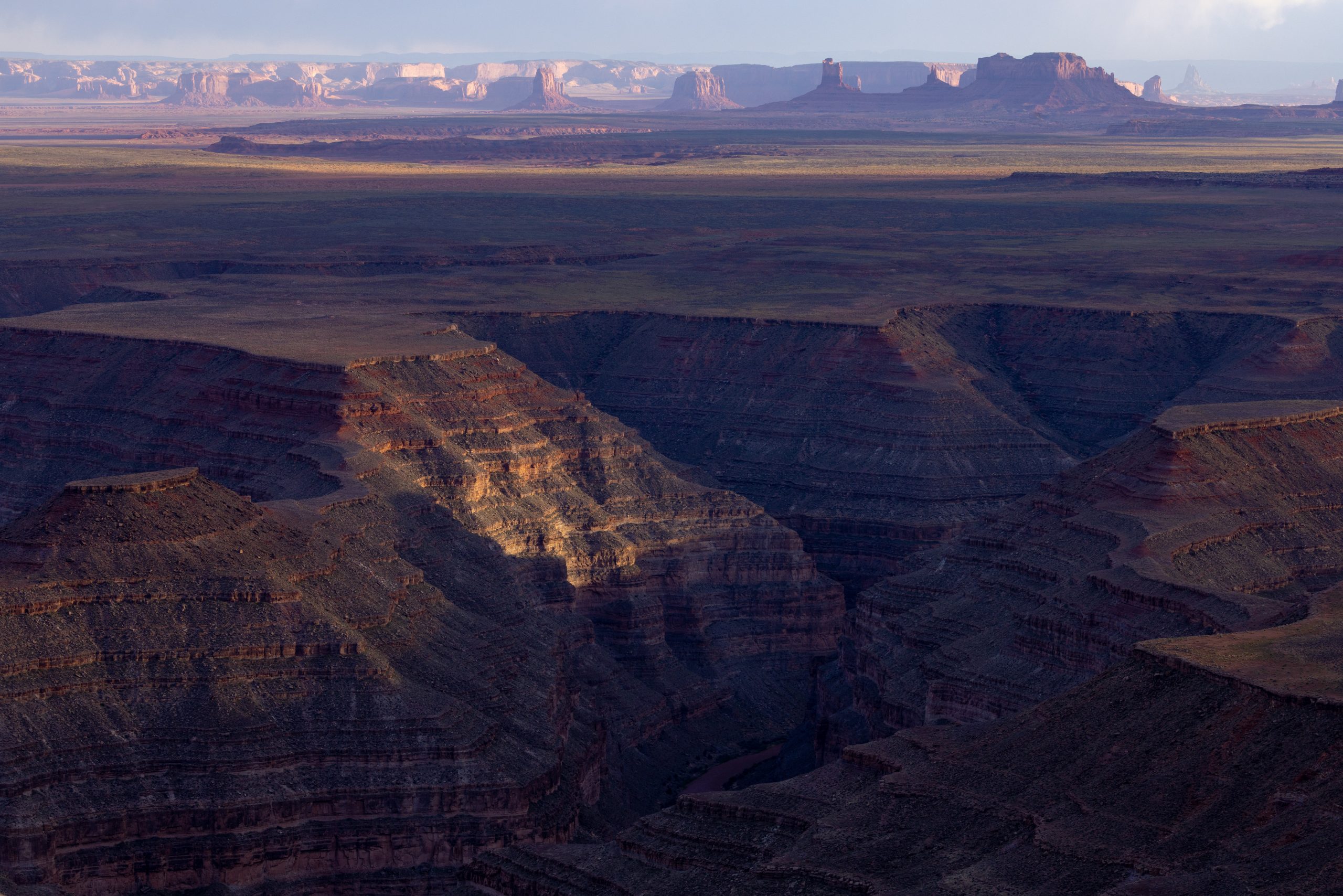
The urgency of this situation is not abstract or theoretical; it manifests in tangible threats to irreplaceable heritage. Already, mining claims have been filed within the boundaries of what should rightfully remain protected monument land, signaling an aggressive push by the administration to forcibly open these lands to industrial development. Each passing month that these reduced monument boundaries stand brings the region closer to the irreversible damage that drill rigs, bulldozers, and other extractive operations would inflict upon sites that have been carefully preserved and honored for generations. This is not merely a policy disagreement to be patiently endured; once the delicate ecosystems are disturbed, once ancient petroglyphs are defaced, once sacred ancestral sites are looted or damaged, the land can never fully revert to its original state, erasing millennia of human history and natural wonder.
What troubles advocates most about the current trajectory is not solely the staggering loss of protection for the monument’s unique attributes—its iconic twin buttes, its countless petroglyphs, ancient ancestral dwellings, and other irreplaceable cultural artifacts—though that loss alone is profound. It is also the insidious strategy employed by monument opponents: a campaign of fearmongering and the false suggestion that protecting this land necessitates a loss for other stakeholders. Uncertainty has been deliberately sown into the vision of collaborative land management that tribal nations spent a decade meticulously building in good faith with federal agencies, including the Bureau of Land Management. This cooperative model, a beacon for future intergovernmental relations, is now under severe threat.

Despite these challenges, Native peoples remain steadfast in their commitment to speak up, to advocate tirelessly, and to hold the federal government accountable for its actions. They are vigilant, observing every move made against these sacred lands. Crucially, they do not stand alone; a robust coalition of conservation groups, environmental organizations, and millions of concerned Americans have joined forces, demanding that these cherished landscapes remain fully protected for all future generations. This fight has transcended mere rhetoric, evolving into a determined legal battle. Tribal nations and their conservation partners, including prominent organizations like Patagonia and the National Resources Defense Council, have filed comprehensive litigation challenging the Trump administration’s proclamations. They are defending Bears Ears and Grand Staircase-Escalante with the same unwavering resolve and reverence with which they would defend any living, sacred place, refusing to allow them to be taken without a vigorous and sustained fight.
The legal position underpinning these challenges is clear and straightforward: Congress, through the Antiquities Act, unequivocally granted presidents the power to establish national monuments, not the power to diminish or abolish them. This legal precedent, upheld for over a century, forms the bedrock of their case, and advocates intend to press this argument in court for as long as it takes to secure justice. They demand the full restoration of Bears Ears National Monument, completely intact, and are committed to continuing the essential work that the Bears Ears Inter-Tribal Coalition and the Bears Ears Commission had already begun—a path toward true co-management and respectful stewardship. However, litigation alone, while vital, will not be sufficient to safeguard these irreplaceable places. It will require the collective voice and concerted action of all Americans to stand united against this administration’s attempted erosion of these beloved public lands. Allowing Bears Ears, or any of America’s cherished natural and cultural treasures, to quietly disappear under the guise of policy changes is an outcome that must be unequivocally rejected, now and forever.