Johny Prima
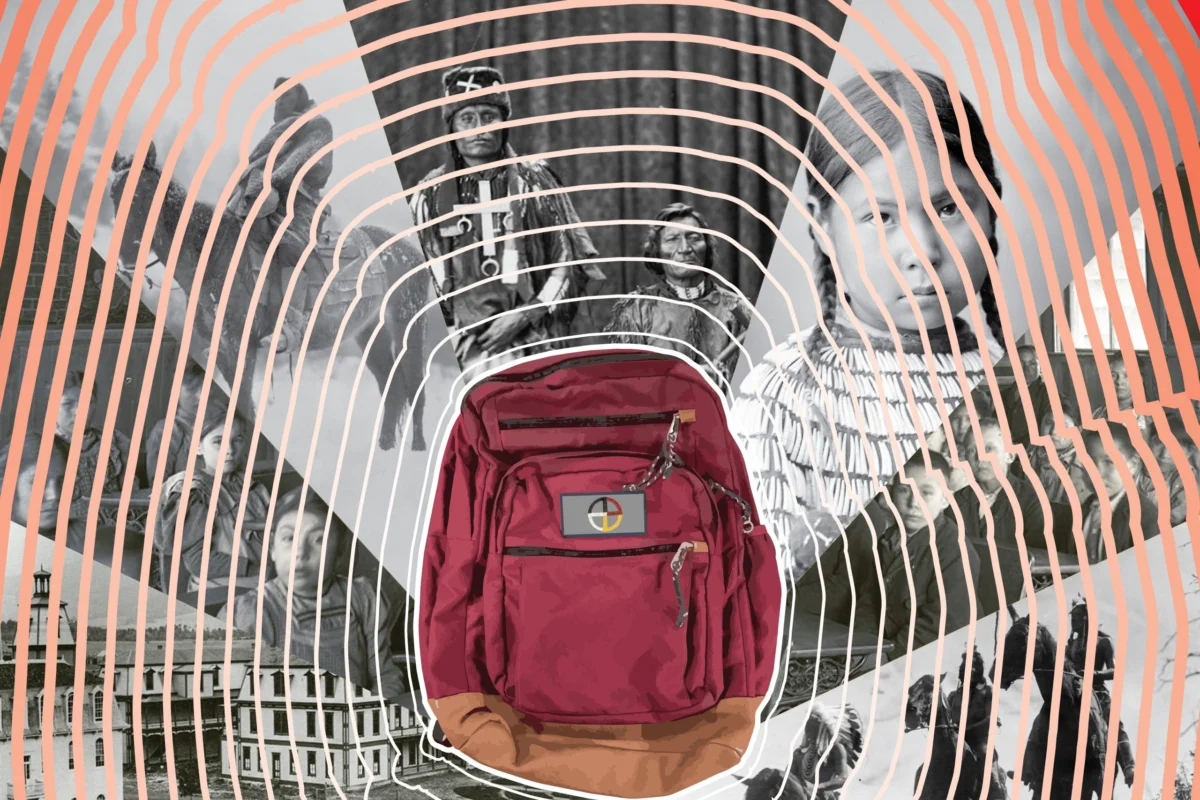
Montana recently solidified its commitment to educating all students on Native American cultures and contributions, settling a landmark lawsuit that underscored the state’s unique constitutional obligation and set a potential blueprint for educational reconciliation nationwide. This pivotal resolution, reached last month between the state and a coalition including the ACLU, several tribal nations, the Native American Rights Fund, students, and parents, addresses allegations that numerous schools and districts had failed to adequately provide the "Indian Education for All" (IEFA) as mandated by law. This constitutional provision, enshrined in 1972, distinguishes Montana as the only state with such a specific, fundamental commitment to Indigenous education, recognizing the distinct cultural heritage of American Indians and pledging to preserve their cultural integrity within its educational goals.
Samantha Blencke, a senior staff attorney with the Native American Rights Fund, highlighted the historical significance of Montana’s 1972 Constitution, which features a truly singular clause acknowledging the distinct cultural legacy of Indigenous peoples. This constitutional promise was further codified into law with the enactment of the IEFA statute in 1999. Blencke emphasized that the recent settlement transforms these foundational words into a legally enforceable commitment, demanding consistent implementation across all public schools. Despite possessing the necessary resources and legal clarity, the state’s application of IEFA had been inconsistent, with a concerning majority—over half, according to Blencke—of public school districts reportedly falling short of their obligations, despite the program’s long-standing and non-optional status.
The inconsistent application of IEFA has not only deprived Native American students of crucial cultural affirmation but has also denied non-Native students a comprehensive understanding of their state’s rich history and contemporary Indigenous communities. This imbalance represents a missed opportunity for fostering mutual respect and informed citizenship. The successful resolution of this lawsuit signals a critical turning point, demonstrating the significant pressure sometimes required to ensure state governments uphold their own legal commitments – a struggle intimately familiar to many tribal nations striving for sovereignty and self-determination.
Article X of the 1972 Montana Constitution stands as a beacon of progressive educational policy, guaranteeing equal educational opportunities for all while explicitly committing the state to the preservation of American Indian cultural integrity. This stands in stark contrast to most other Western state constitutions, which offer significantly fewer, if any, specific protections for Indigenous cultures, with Hawai’i being a notable exception due to its unique Indigenous history. The 1999 IEFA update further strengthened this constitutional provision, compelling educators to collaborate directly with tribal nations to develop curricula that accurately portray the cultural heritage and contemporary contributions of American Indians, with a particular focus on Montana’s diverse tribal groups and their governments. The Office of Public Instruction articulates the overarching goals of IEFA as cultural enrichment, academic engagement, and equitable teaching practices, aiming to cultivate a more inclusive and informed learning environment.
However, the reality on the ground often diverged from these lofty aspirations. Alex Rate, legal director of ACLU Montana, observed a disconnect between the "fabulous constitutional provision" and anecdotal reports of an absence of Indian education in many public schools across the state. This growing community outrage prompted the ACLU to launch an investigation in 2019, utilizing public records requests to scrutinize how IEFA funding was being allocated. Their findings were alarming: while the state legislature appropriated millions of dollars annually for Indian education, only approximately half of these funds could be accounted for. The investigation uncovered instances of inappropriate expenditures, such as using IEFA money for general library books unrelated to Indigenous issues, or even to fund a librarian’s salary, rather than directly supporting Indigenous educational content. Some schools completely failed to report their IEFA spending, leading Rate to question whether funds were being diverted for purposes as incongruous as purchasing a football stadium scoreboard – a clear deviation from the constitutional intent.
Motivated by these revelations, the ACLU engaged with parents and tribal nations, discovering a collective desire to pursue legal action. In 2021, a formidable alliance of plaintiffs emerged, including the Northern Cheyenne Tribe, Fort Belknap Indian Community, Fort Peck Assiniboine and Sioux Tribes, Confederated Salish and Kootenai Tribes, and the Little Shell Tribe of Chippewa Indians of Montana, with the Crow Tribe later joining the suit. The strategic decision was made to target the state agencies responsible for overseeing public education – the Office of Public Instruction and the Board of Public Education – rather than individual school districts. This approach aimed to achieve a statewide impact, ensuring that the guarantees of the Montana Constitution would transition from mere words on paper to tangible, equitable educational experiences for every student.
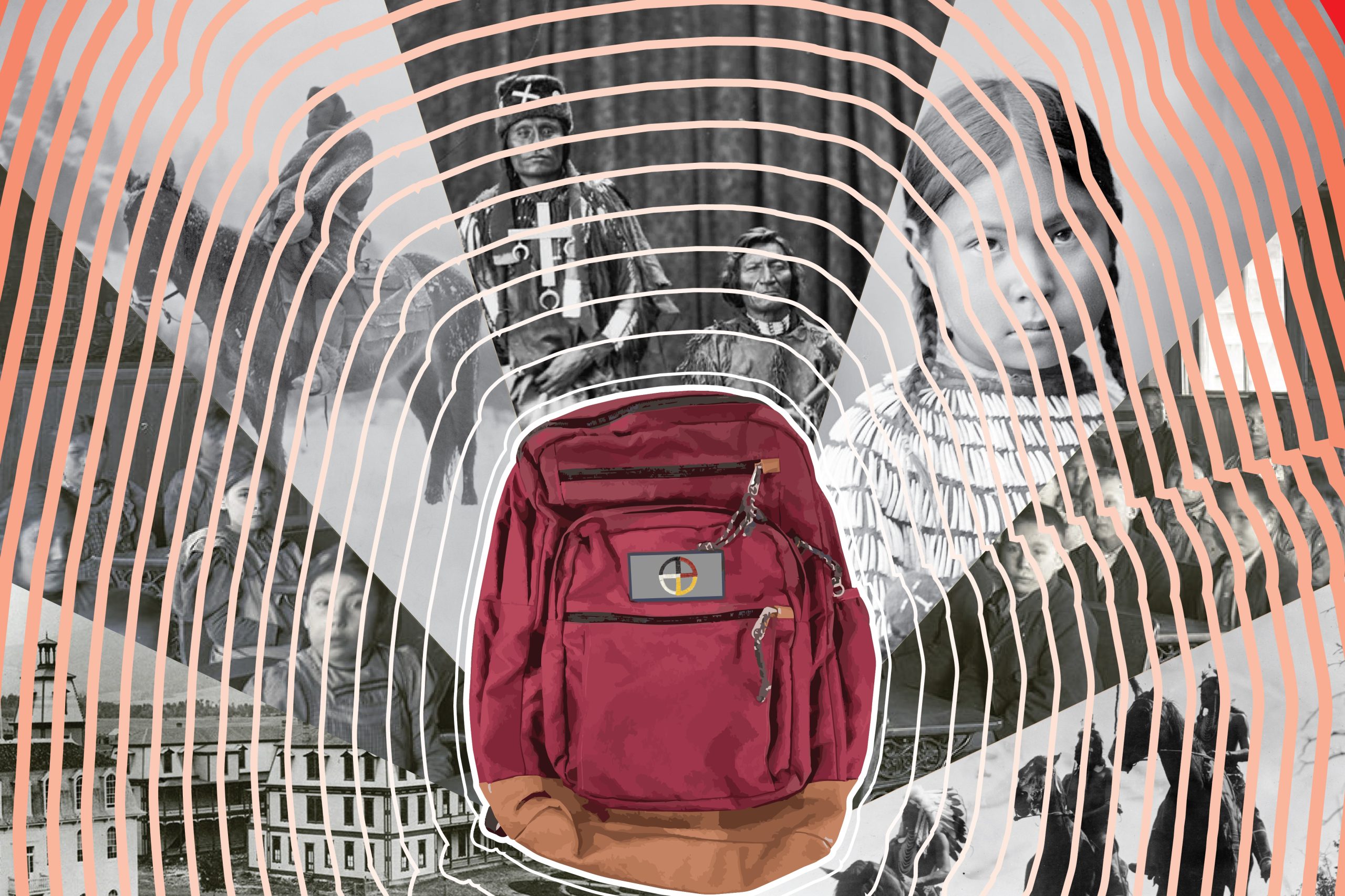
The profound impact of comprehensive Indigenous education extends far beyond legal mandates, touching the very core of identity, belonging, and academic success for Native American students. Jason Dropik, executive director of the National Indian Education Association (NIEA) and a member of the Bad River Band of Lake Superior Chippewa Indians, shared his personal experience of receiving only "one paragraph in a fourth-grade textbook" about Native people in his predominantly white Midwest community. He recounted a telling incident where his teacher, knowing he was Native, asked him to teach the class about Indigenous cultures, highlighting the profound educational void. Later, as a school administrator, Dropik encountered teachers from other schools whose students were unaware that Native people even lived in their communities – an experience regrettably common across the American West and indicative of a broader systemic failure in education.
NIEA research underscores the critical need for robust Indigenous education. While 92% to 93% of Native students attend public schools nationwide, the vast majority of their teachers, even in schools with predominantly Native student populations, are white. This demographic disparity often translates into a lack of cultural understanding within the classroom. Furthermore, Native students are disproportionately affected by feelings of insecurity, reporting fear of attacks at school at approximately three times the rate of the average American child. Dropik emphasized that a strong sense of identity and belonging directly correlates with safety, which in turn leads to improved attendance and, ultimately, greater educational attainment. When students feel valued within their community, it creates a foundational environment for learning and growth.
Globally, the push for culturally relevant and accurate Indigenous education is gaining momentum, aligning with international human rights frameworks such as Article 14 of the United Nations Declaration on the Rights of Indigenous Peoples (UNDRIP), which affirms the right of Indigenous peoples to establish and control their educational systems, providing education in their own languages and cultures. Countries like Canada and Australia have embarked on extensive truth and reconciliation processes, acknowledging historical injustices and incorporating Indigenous perspectives into national curricula as a step towards healing and building inclusive societies. Montana’s efforts, particularly through a constitutional mandate, resonate with these broader international calls for decolonizing education and ensuring that Indigenous knowledge systems are respected and integrated, not merely as an add-on, but as an integral part of a comprehensive education for all. Improving Indian education, as Dropik rightly asserted, fundamentally begins with state leaders, districts, and schools cultivating genuine, respectful relationships with the tribal nations in their respective areas.
Many Western states have implemented various initiatives to promote Indigenous education, though few mirror Montana’s constitutional bedrock. Oregon and Washington, for instance, mandate collaboration with tribal nations on K-12 curricula. California and New Mexico have established specific Indian Education Acts, while Arizona, Colorado, Idaho, and Alaska house dedicated offices or departments focused on Indigenous education. Wyoming, in 2018, required public schools to integrate the history, traditional culture, and contemporary contributions of Wyoming and regional Native American tribes into social studies standards. Nevada has also seen legislative efforts regarding Indian education dating back to 1997, albeit with fluctuating funding and implementation. Rate emphasized the enduring power of a constitutional provision, stating that "legislation can come and legislation can go… the protections that exist in the Constitution remain foundational." This distinction highlights Montana’s potential to offer a more resilient and impactful model.
The two-part settlement, reached first with the Montana Board of Public Education in May and subsequently with the Office of Public Instruction last month, definitively affirms the state’s responsibility for actively overseeing IEFA implementation at both district and individual school levels, especially where deficiencies are identified. This was a critical concession, as Montana had initially denied such direct responsibility. Blencke underscored the settlement’s significance as a "useful model for other states," demonstrating that "a legal or policy statement isn’t enough." She stressed the necessity of establishing clear systems that define accountability, specify evidence requirements, outline compliance review processes, and detail consequences for non-compliance. Crucially, the settlement moves beyond mere policy by holding existing frameworks to clear, substantive expectations, while also prioritizing the development of lasting, respectful government-to-government relationships between state authorities and tribal nations.
Rather than monetary penalties, the settlements focus on systemic improvements, promising enhanced teacher training, rigorous spending documentation, comprehensive audits, and authentic tribal consultation on curriculum development. Neither state agency admitted wrongdoing, but both committed to undertaking more active oversight to ensure districts and schools meet the state-mandated requirements. Montana Superintendent Susie Hedalen, who leads the OPI, expressed satisfaction with the agreement, stating her commitment to ensuring every Montana student receives "authentic instruction on our state’s tribal nations" and that all students are "seen and supported." Michael Dolson, Council Chairman of the Confederated Salish and Kootenai Tribes, hailed the settlement as a "long overdue step toward honoring the promise that Montana made to its students in 1972," emphasizing that "Indian Education for All builds the understanding and respect that all of our communities need." Tim Tharp, Chair of the Board of Public Education, commented in May that their "time and efforts are better spent working to improve education for all students in Montana and not arguing in court," signaling a desire to move forward collaboratively.
Dropik’s insight into fostering genuine relationships, rather than transactional interactions, between state entities and tribal nations resonates deeply within the spirit of reconciliation and mutual respect. He advocated for a presence born of curiosity and a desire for continued reciprocal support, asserting that "when our common good is elevated, then everyone benefits." This sentiment encapsulates the transformative potential of truly integrated Indigenous education – not just for Native American communities, but for the entire fabric of society, fostering a more informed, empathetic, and inclusive future for all Montanans and, by extension, offering a powerful example for the nation and the world.