Johny Prima
In the quiet dawn of the American Southwest, a profound ritual unfolds, a practice deeply embedded in the spiritual landscape of the Pueblo people. Before the sun crests the horizon, many, like the author and political figures such as Deb Haaland, engage in a corn pollen prayer. With a pinch of corn pollen held reverently, facing east toward the majestic Sandia Mountains, gratitude for the new day is spoken, intentions for peace are set, and ancestors are honored—those who walked the earth before, and those whose spirits continue to guide. This ancient land-based belief system, rooted in the red clay fields of the Zuni Mountains, teaches that each individual stands precisely where they are meant to be, fostering a deep connection to all existence. It is a philosophy that emphasizes a constant path forward, one that demands conscious intention and respect for the intricate web of life. This timeless tradition, passed down through generations, underscores a profound understanding of stewardship, community, and an enduring connection to the land that sustains life.
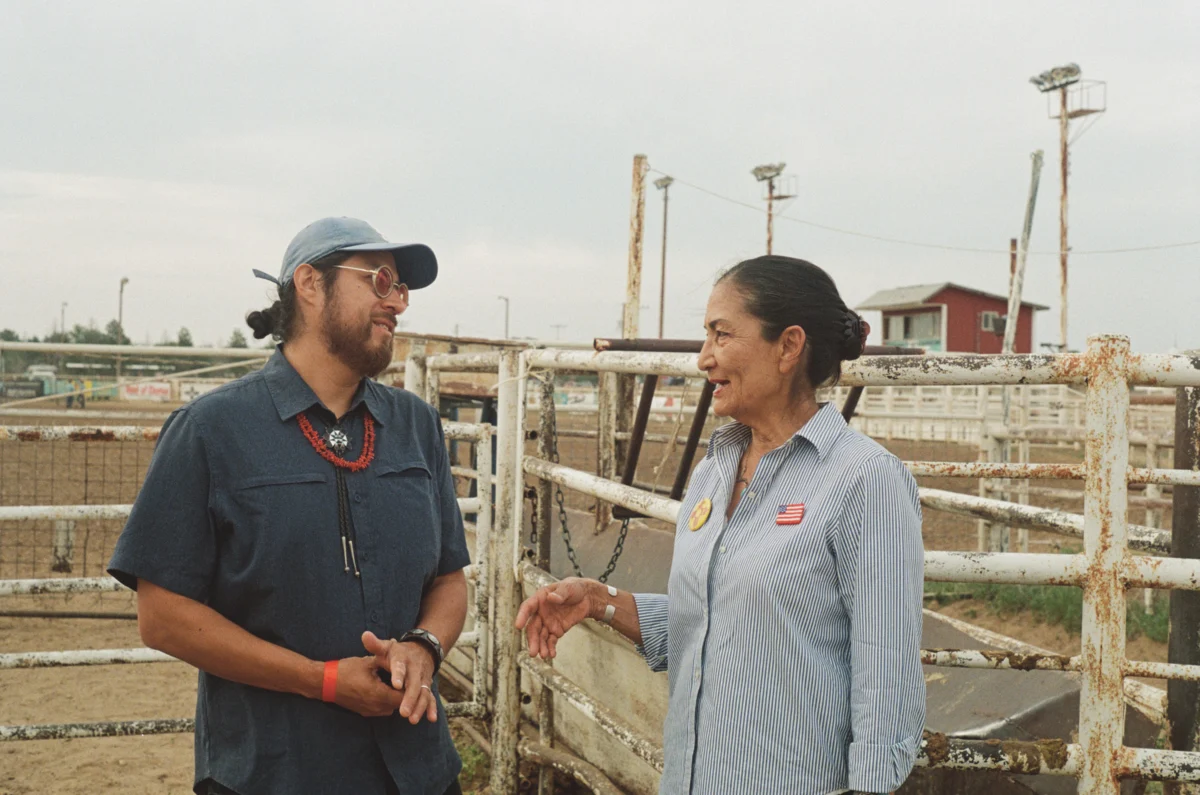
It is along this sacred "corn pollen trail" that Deb Haaland, a distinguished relative from the Laguna and Jemez Pueblos, begins her own days, reaffirming the values instilled by her grandparents. Their wisdom, shared across Pueblo communities, forms the bedrock of her remarkable journey. Haaland made history under the Biden administration as the first Indigenous Secretary of the Interior, a pivotal role that placed her at the helm of federal land management and tribal relations. Her tenure at the Interior Department was marked by a commitment to upholding treaty obligations, initiating the Federal Indian Boarding School Initiative to investigate the traumatic legacy of these institutions, and prioritizing the conservation of public lands and waters through Indigenous perspectives. Having crisscrossed the country in her federal capacity, Haaland now navigates the diverse landscapes of her home state, New Mexico, from bustling Albuquerque to rural towns like Gallup and Shiprock, as she spearheads her campaign for governor. She attributes her resilience and her current position as the frontrunner in the gubernatorial race, poised to lead New Mexico through a period of post-Trump reconstruction, directly to the enduring strength and wisdom of her ancestors.

Should Haaland secure the governorship, she would not only become New Mexico’s third consecutive female governor but, more significantly, the first Native American to hold the state’s highest office. Her resounding victory in the Democratic primary, securing a commanding 45 percentage points, demonstrated broad support for her progressive agenda. Central to her platform are initiatives aimed at expanding public health care access, strengthening environmental regulations to combat climate change and protect natural resources, increasing the state minimum wage to foster economic equity, strategically leveraging energy profits for long-term progressive policies, and, crucially, advancing tribal sovereignty. Her vision for New Mexico reflects a deep commitment to social justice, environmental stewardship, and economic opportunity for all its residents, framed through the unique lens of Indigenous leadership.
The prospect of a Native American governor presents a complex, even paradoxical, reality within the existing political structure. The very concept of the governorship, a product of state formation that historically undermined tribal self-determination and inflicted systemic violence, is now potentially occupied by an Indigenous leader. This position demands navigating delicate relationships with New Mexico’s 23 federally recognized tribal nations, a responsibility Haaland is uniquely prepared for. She intends to utilize frameworks like the New Mexico State-Tribal Collaboration Act of 2009, a landmark piece of legislation that mandates state agencies to forge working partnerships and negotiate policies with tribes. This act, in essence, mirrors the federal government’s trust and treaty obligations to tribes, a system Haaland intimately understands from her time as Interior Secretary. Her leadership at the federal level demonstrated how a person deeply rooted in land-based beliefs could effectively steward vast federal lands and champion tribal self-determination, positioning her perfectly to advance these principles within New Mexico. Her potential election would mark a powerful continuation of Pueblo leadership, predating multiple colonial governments and signaling a new era of governance.
The current political landscape, particularly in the wake of the previous presidential administration, has made this election exceptionally pivotal. The challenges of a polarized nation, coupled with the need for stability and a renewed focus on core domestic issues, define the "post-Trump reconstruction" era. Voters are keenly aware of the need for leadership that prioritizes their concerns, from economic stability to social cohesion. Haaland’s campaign directly addresses these anxieties, promising a return to policies focused on improving daily life and ensuring governmental accountability.

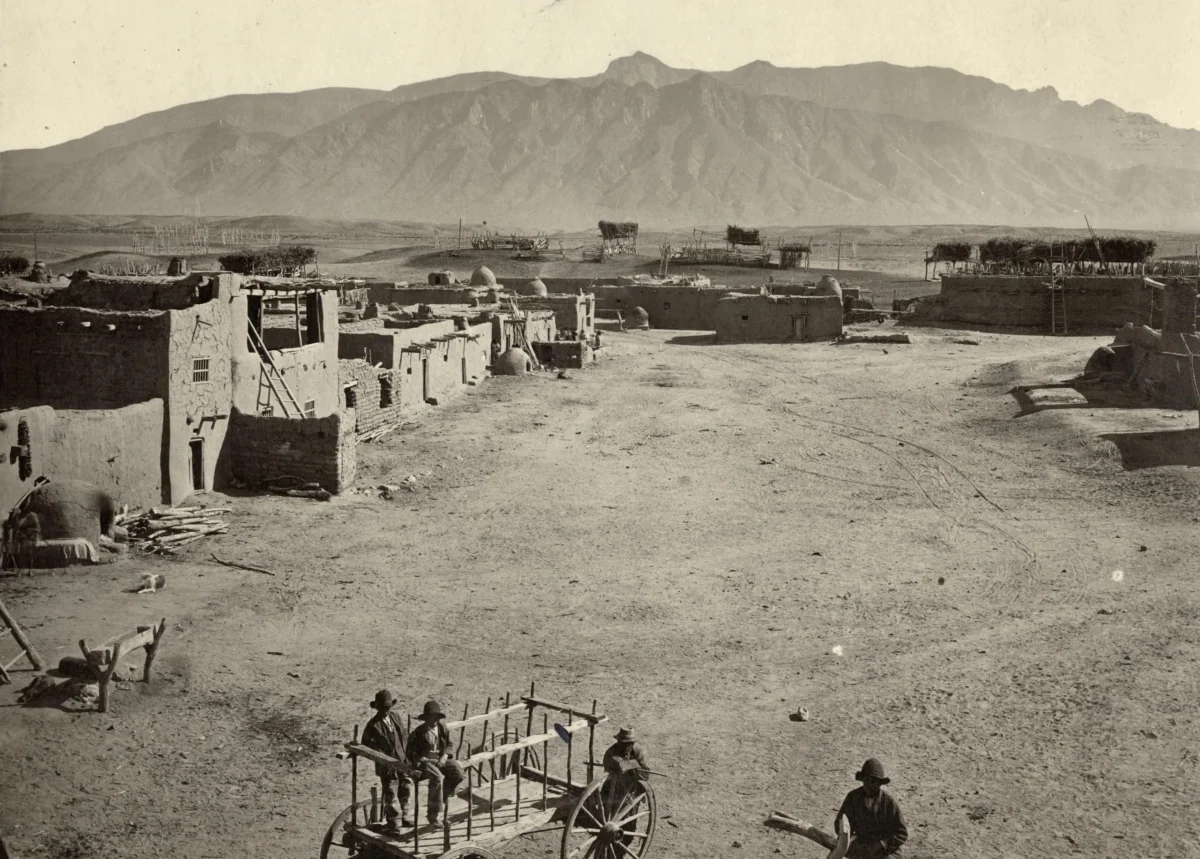
One of the critical areas Haaland addresses is tribal sovereignty, a concept often misunderstood by non-Native populations. She emphasizes the deep historical roots of Pueblo peoples in the Rio Grande Valley, with their presence dating back to the late 1200s, long before European colonization. Their ancestral homelands are vast, and while modern tribal boundaries may be smaller, many tribes actively work to reclaim and expand their land bases. Any corporation, developer, or emerging leader operating in New Mexico must acknowledge and respect this profound history. Given centuries of exploitation and broken promises, tribal nations approach external proposals with understandable skepticism. Haaland asserts that it is incumbent upon outsiders to cultivate transparent and trustworthy relationships, ensuring tribes are fully informed and equitably involved in projects affecting their ancestral lands, even if those projects do not directly touch reservation borders but are visible or have an impact on tribal communities. Recognizing the immense economic and cultural capital that tribes contribute to New Mexico is no longer an optional courtesy but a fundamental necessity for collaborative progress and shared prosperity. Industry leaders are increasingly acknowledging this reality, often prioritizing outreach and collaboration with tribes, understanding that mutual respect underpins sustainable development.
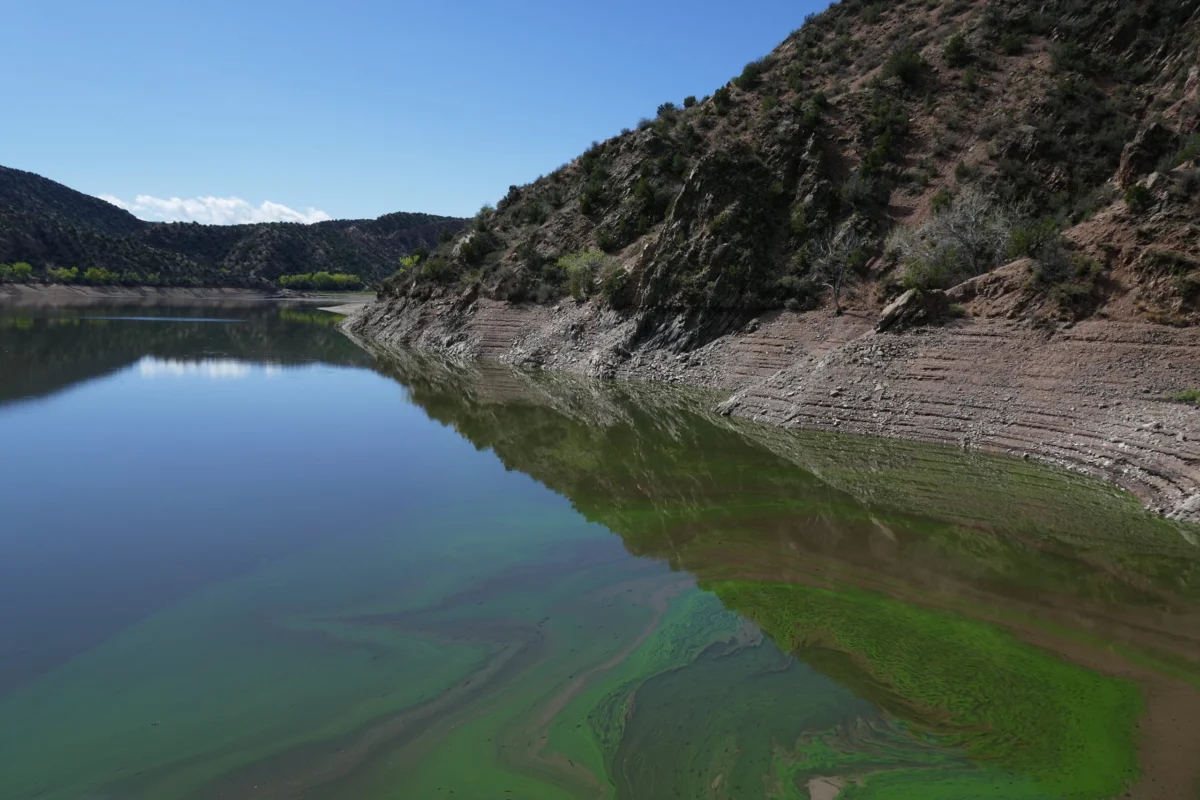
In a state perpetually grappling with drought conditions, water use and management stand as paramount concerns. New Mexico faces increasingly severe impacts from climate change, threatening its limited water resources. Haaland firmly states that water must be prioritized for human consumption and community needs, demanding that any industry seeking to relocate or expand in New Mexico demonstrate an unwavering commitment to sustainable water practices. Her approach aligns with traditional Indigenous ecological knowledge, which emphasizes conservation and respectful resource management.
Furthermore, the recent federal weakening of environmental protections presents a critical opportunity for states like New Mexico to step in and fill the regulatory void. Haaland unequivocally asserts that the state has no choice but to enhance its own environmental safeguards, arguing that the federal government, despite its actions, retains obligations to the state. She proposes a robust legal strategy, including hiring more lawyers, to challenge federal overreach, environmental degradation, or the withholding of promised funds through the courts. This proactive stance reflects a determination to protect New Mexico’s unique environment and its citizens’ well-being against external pressures, asserting state sovereignty in the face of federal policy shifts.

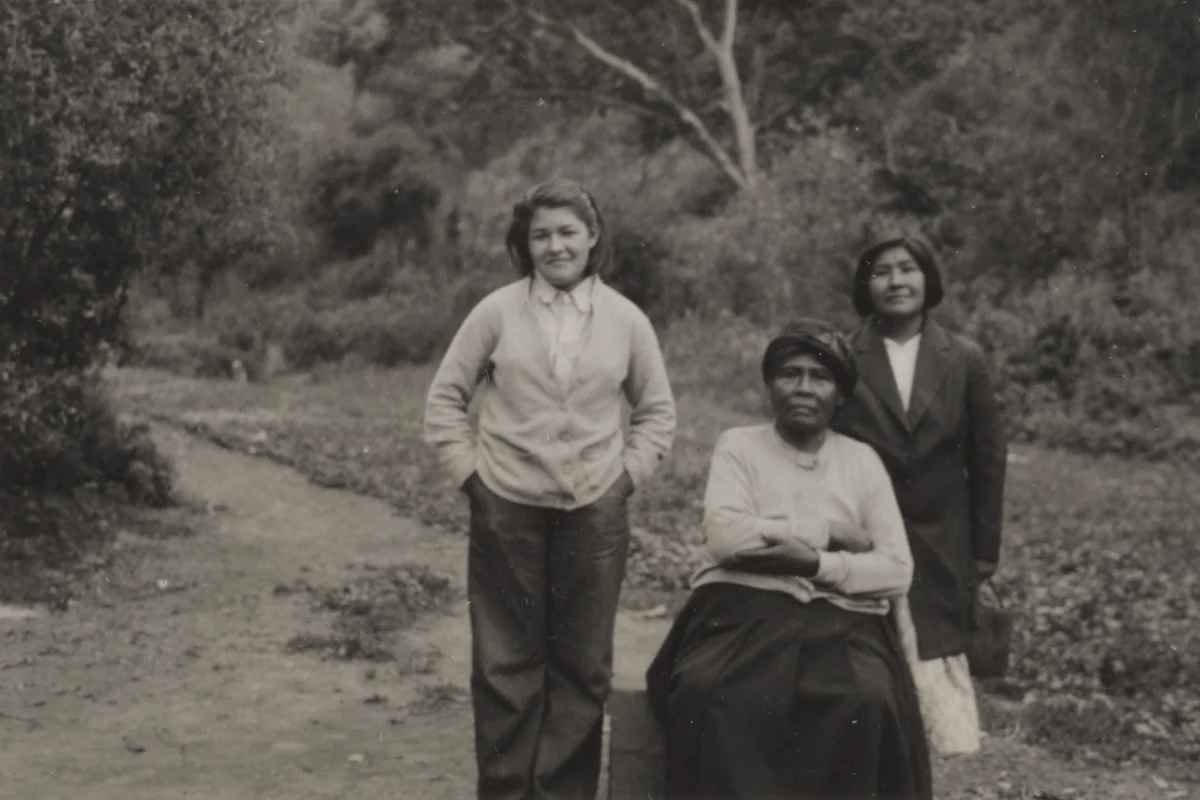
Finally, Haaland is a staunch advocate for ensuring that the history of the federal Indian Boarding School era is thoroughly taught in New Mexico’s public schools. She passionately argues that Native American history is, fundamentally, American history, and its painful truths must be confronted by all citizens for genuine reconciliation and understanding. These institutions, designed to forcibly assimilate Indigenous children by stripping them of their language, culture, and family ties, operated extensively in New Mexico. Haaland shares her family’s personal trauma, recounting how her grandparents were sent to St. Catherine’s in Santa Fe, with her great-grandfather only able to visit his daughter twice in five years due to the immense distances and lack of transportation. She also highlights historical sites like Fort Union, which served as a grim way station where Native children were stripped of their identities before being sent to boarding schools. As Interior Secretary, Haaland initiated the Federal Indian Boarding School Initiative, a monumental effort to uncover the full truth of this dark chapter. As governor, she pledges to ensure this vital, often-ignored history becomes an integral part of New Mexico’s curriculum, fostering a deeper, more accurate understanding of the state’s past and its enduring impact on Indigenous communities. This commitment to truth-telling is essential for healing, justice, and building a more inclusive future for all New Mexicans.