Roger Danuarta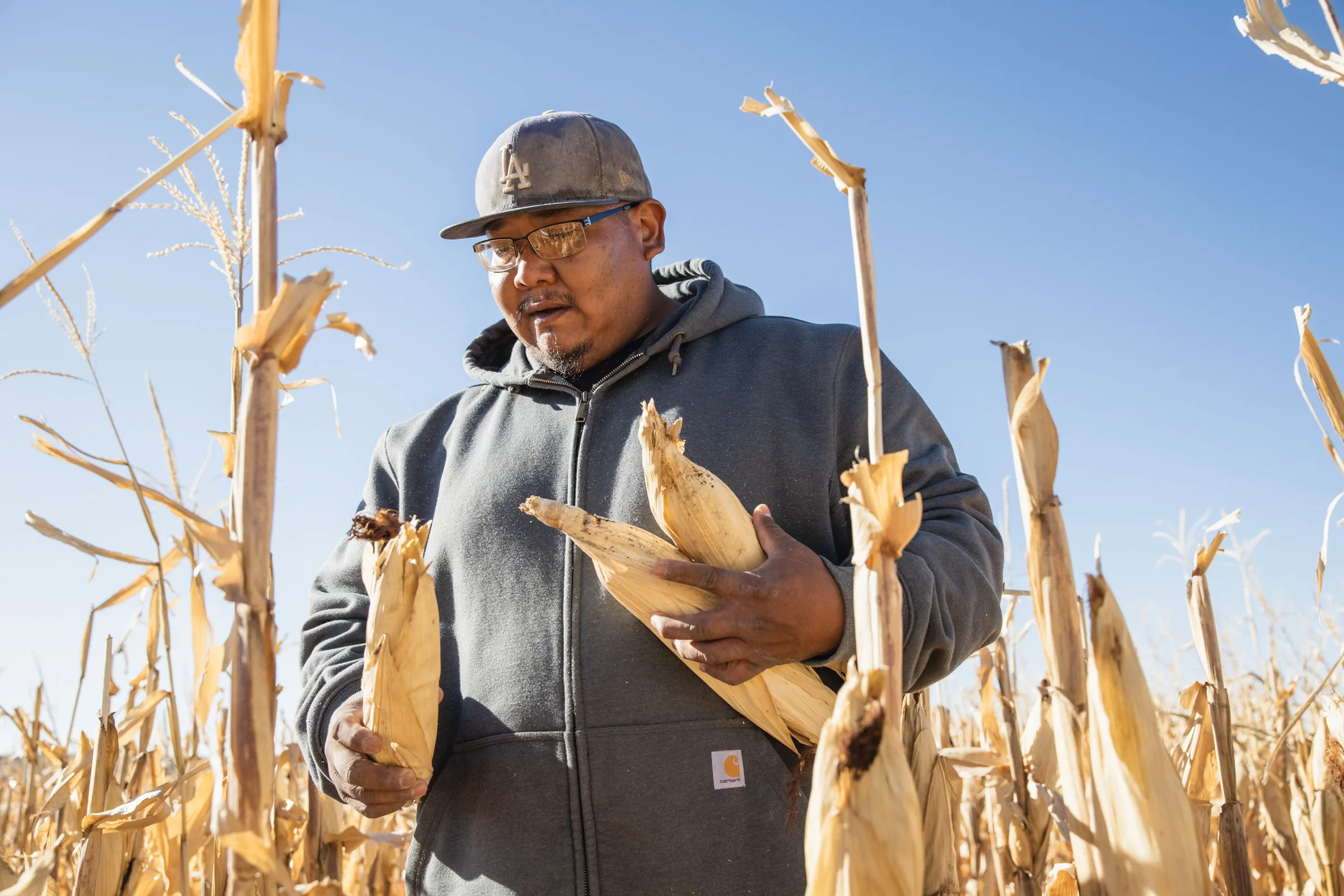
This essential waterway, which underpins the economies and ecosystems of seven U.S. states and parts of Mexico, finds itself under unprecedented and escalating stress. A quarter-century into the new millennium, the Colorado River now carries approximately 20% less water than its average flow throughout the last century, a stark decline driven by intensifying heat and persistent drought conditions across the basin. The stakes of this crisis are monumental, threatening not only the modern West but also critical agricultural regions, burgeoning urban centers, and the delicate balance of diverse ecosystems. A continued failure to acknowledge the severity of these changing climatic realities, coupled with the persistent management of the river in isolated segments without a holistic understanding of the entire system’s needs, and inadequate long-term planning for deepening shortages, jeopardizes the future stability of the entire basin.

This unfolding saga of a shrinking river and the profound implications for the millions who depend on it has been meticulously chronicled through extensive journalistic inquiry, which has documented how the Colorado River Basin’s agricultural communities are navigating acute water shortages and profound uncertainty amidst deeply entrenched political divisions over the river’s future. This comprehensive project, titled "American Adaptation," delves into the struggles of three distinct farming communities whose very survival hangs in the balance as the river recedes. Their experiences illuminate the human cost when established policies and traditional water management paradigms falter in the face of a rapidly changing climate, prompting difficult questions about resilience, equity, and the very definition of sustainable living in an aridifying region.

In the northern reaches of the river’s vast watershed, nestled at the foot of Sleeping Ute Mountain in Towaoc, Colorado, the Ute Mountain Farm and Ranch Enterprise exemplifies the spirit of adaptation. This tribally run operation, sprawling across 7,600 acres painstakingly cultivated from the desert brush, produces a diverse range of crops including cattle, alfalfa, corn, and wheat. Its operations are guided by individuals with profound personal connections to the land and its history: Simon Martinez, who helped construct the very dam for the McPhee Reservoir that now supplies the farm’s water; Eric Whyte, who cleared the initial desert brush and mapped the original fields; and Michael Vicente, the lead irrigator, who meticulously accounts for every drop of precious water utilized.

While the farm’s circular fields typically flourish in vibrant green during good years, the past decade has ushered in an era of increasingly erratic water access. Each spring, the local irrigation district delivers the sobering news of potential cuts after evaluating snowpack runoff and the water levels in the nearby McPhee Reservoir. The impact has been severe: in 2021, the farm received a mere 10% of its allocated water, forcing 6,000 acres to lie fallow. The following year saw a modest increase to 30%, and last year, 34%, which the farm was able to augment to 50% by leasing shares from other water users – a testament to their innovative, albeit costly, coping mechanisms. To survive, the farm’s leadership has embraced a multi-faceted approach, developing numerous contingency plans for varying water scenarios. They have actively sought grants, implemented advanced low-flow nozzles in their irrigation systems, installed small-scale hydropower generators, and even joined a pilot program with the Land Institute to test less water-intensive crops. Despite these determined efforts, the long-term uncertainty casts a shadow. "We still haven’t thrown the towel in," remarked Simon Martinez, reflecting on the profound shift from a time when the reservoir was built with assumptions of perpetual abundance. He added, "Nobody ever thought, when the reservoir was built, that there wouldn’t be enough water to supply the farms that have been put out here. It’s not only us; it’s happening all through southwestern Colorado." The visible scars of low-water years are evident as brush and scrub rapidly reclaim unplanted fields, and the challenge of retaining skilled employees laid off during dry periods further complicates recovery. For farms relying on the basin’s smaller reservoirs, the growing frequency of heat and drought years makes them acutely vulnerable, raising critical questions about the long-term sustainability of the Ute Mountain Farm and Ranch Enterprise, even with their unwavering determination to adapt. This situation highlights the historical complexities of tribal water rights, where despite inherent sovereign rights, many tribal nations, including the Ute Mountain Ute, often hold junior water rights with priority dates that place them at higher risk during shortages, a legacy of past agreements where present-day climate realities were unforeseen.

Hundreds of miles south, deep within the Sonoran Desert of Pinal County, Arizona, Will Clemens manages his uncle’s 2,100-acre farm, cultivating cotton, alfalfa, and Bermuda grass under a year-round growing season punctuated by intense dust storms and summer monsoons. This region’s agricultural heritage long relied on groundwater, a practice that, until the advent of imported river water, led to significant land subsidence, fissures, and rapidly depleting aquifers. The completion of the Central Arizona Project (CAP) in the 1980s offered a reprieve, delivering relatively inexpensive Colorado River water to farmers. However, this CAP water, classified as lower priority, was the first to face cuts. In 2022, critically low water levels in Lake Mead, the nation’s largest reservoir, triggered federal curtailments, effectively cutting off central Arizona farms from their vital river supply. In response, Clemens’ local irrigation district resorted to drilling a dozen new wells, signaling a concerning return to historical reliance on finite groundwater resources.

Without the consistent flow from the river, Clemens and his neighbors have observed a noticeable drop in canal water levels, leading to irrigation districts sometimes cutting off water before fields are fully irrigated or struggling to meet farmers’ water demands. This increased pressure on already strained groundwater reserves raises serious questions about future sustainability. Compounding the challenge, large swaths of Arizona operate without legal limits on groundwater pumping. Even areas with legally protected groundwater, designated as Active Management Areas, have largely failed to achieve the "safe yield" goal set in the 1980s – an objective to balance annual groundwater extraction with natural replenishment by 2025. This situation fuels a growing debate, as some central Arizona farmers are opting to sell or lease their farmland to solar developers, recognizing the dwindling water supply and the surging demand for renewable energy. Miles from Clemens’ farm, sleek black grids of solar panels now gleam beside green alfalfa fields, a visual representation of this profound land-use shift. Arnold Burruel, Clemens’ uncle, has been in discussions with a solar developer for years, reflecting on a larger societal dilemma. "I’ve been asking myself: Does America really need to be in the agriculture industry?" Burruel mused. "America is not totally enamored with agriculture when it comes to pesticides, herbicides, groundwater, GMOs — all of the above. We are at a crossroads. Are we going to continue to farm the way we are farming and heavily subsidize growers that can’t make ends meet? Society has to come up with an answer." This existential questioning underscores the profound economic and social choices confronting communities in the face of water scarcity.

Further downstream, just north of the Mexican border, lies California’s Imperial Valley, a region where the All-American Canal forms a stark blue artery, slicing through the Algodones Dunes. This colossal canal, fed by the Imperial Dam, diverts an astonishing 6.8 million gallons of water per minute from the Colorado River, serving as the sole water source for 500,000 acres of prime farmland. Farms here benefit from some of the most senior water rights on the river, dating back to the early 1900s, granting them a privileged position with minimal risk of cuts and consistent releases from Lake Mead. Despite decades of basin-wide drought and mounting shortages, water has flowed uninterrupted to the Imperial Valley, transforming one of the driest, hottest places on Earth into an agricultural powerhouse, particularly renowned for its winter vegetables.

Fourth-generation family farmer Jack Vessey, who oversees a 10,000-acre produce operation, possesses an intimate knowledge of this intricate canal system, having grown up alongside it. "We take water seriously," Vessey asserted, highlighting the community’s commitment to efficiency, evidenced by the adoption of sprinkler systems, which are more water-efficient than traditional flood irrigation. In recent years, the Imperial Irrigation District (IID), by volume the largest water district in the country, has joined other basin communities in voluntarily reducing water use through 2026, receiving federal compensation that was notably higher per acre-foot than that offered to other participants. However, as the federal funding allocated for Western water conservation by the Biden administration begins to diminish, the availability of future funds to incentivize further voluntary cuts remains uncertain. Vessey acknowledges the escalating pressure on the river and the valley’s farms but maintains a protective stance over his community’s water. "I have a responsibility for the people who work here to make sure we survive," he stated. "I have to be a little selfish at some point and say, ‘Keep giving us the water we need.’ I know we’ve got to do our part, but I can look in the mirror and say we are not wasting water, we are growing food people need. If it wasn’t for that canal coming off the Colorado River, this would just turn to desert." His words encapsulate the complex interplay of self-preservation, regional economic dependence, and national food security in the ongoing water negotiations.

The disparate experiences of these three communities—the Ute Mountain Ute Tribe adapting to uncertainty, Pinal County reverting to diminishing groundwater, and the Imperial Valley defending its abundant senior rights—underscore the profound and rising tensions at the heart of current negotiations over the Colorado River’s future management. States, tribal nations, and the federal government are collectively confronting the century-old legacy of developing water infrastructure and legal frameworks, such as the "Law of the River" and the "prior appropriation" doctrine, built on optimistic assumptions of perpetual abundance and endless expansion. These historical paradigms are now colliding with the harsh hydrological reality of a river that simply carries far less water than anticipated. The crisis compels an urgent re-evaluation of what the Colorado River can truly sustain, how its diminishing water should be equitably allocated, and who will ultimately bear the burden of the necessary and inevitable cuts. This struggle transcends regional boundaries, serving as a microcosm of global challenges in managing vital transboundary rivers under the intensifying pressures of climate change, demanding innovative solutions and unprecedented cooperation to ensure a sustainable future for all.