Roger Danuarta

Recent public discourse reflects a deepening engagement with the intricate challenges facing America’s vast public lands and its diverse ecosystems, highlighting a period of intense scrutiny over environmental policy, land management strategies, and the very definition of conservation in the 21st century. From the majestic expanses of national monuments to the delicate balance of urban wildlife, and the subtle, yet profound, shifts occurring in high-alpine meadows, a collective call for vigilance and informed action resonates across the nation. These dialogues underscore a pivotal moment where the future of cherished natural resources hangs in the balance, prompting calls for both strategic perseverance and compassionate stewardship.
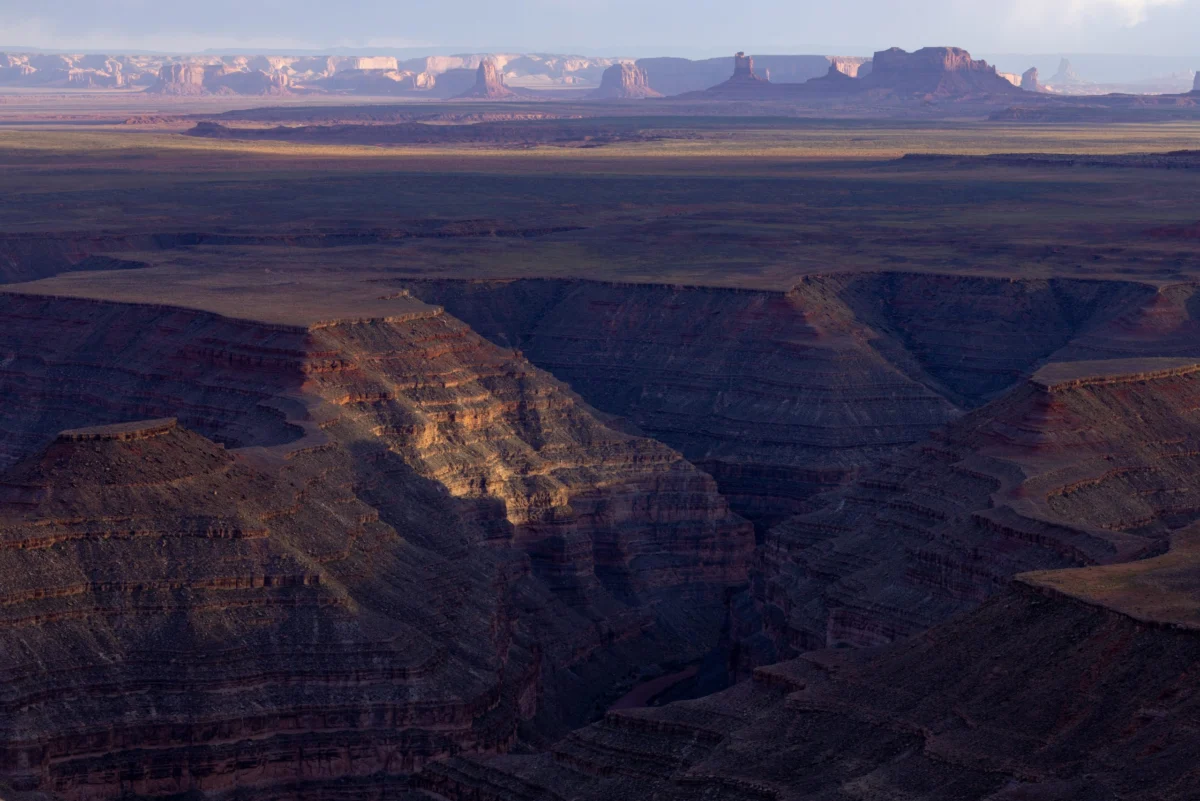
One of the most significant and contentious debates centers on the management and oversight of federal public lands, particularly the ongoing trend of potentially transferring federal properties to local governmental entities. This "public-lands shuffle," as it has been colloquially termed, is unfolding across numerous U.S. Forest Service-owned landscapes, including the prominent Mount Blue Sky Scenic Byway in Colorado. Proponents of such transfers often cite federal funding shortfalls and the desire for more localized control, arguing that regional authorities are better positioned to manage recreational sites and maintain public access. However, this devolution of authority triggers alarm bells among conservationists and many members of the public who fear it could be a precursor to broader privatization efforts or a weakening of established environmental protections. The concern is particularly acute in states like Utah, where political figures have openly advocated for divesting federal lands, raising fears that local control could lead to increased resource extraction, unregulated development, or a significant curtailment of public access in areas currently safeguarded under federal mandates. Critics warn that such arrangements could serve as a policy-making "laboratory" for undermining existing protections, potentially allowing local entities to undertake actions that would be far less scrutinized than if executed by a federal agency, creating a form of "laundering scheme" for land-use changes. While some counties, like Pitkin County, Colorado, are perceived as likely to manage these lands responsibly, the precedent set could have dire implications if exported to areas with less conservation-minded local governance, such as the ecologically and culturally significant Bears Ears National Monument or other public land units in Nevada. The overarching concern is that these transfers could be a strategic step towards dismantling the federal framework that has protected vast tracts of wilderness, biodiversity, and cultural heritage for generations.
This apprehension regarding land management is exacerbated by growing criticism directed at the Department of the Interior, the principal federal agency responsible for managing and conserving most federal land and natural resources, and for overseeing various programs relating to Native American affairs. The current leadership has faced accusations of undermining public land protections and national parks, leading to questions about the department’s core mission and the integrity of its decisions. The Secretary of the Interior holds immense power over vast swaths of the American landscape, influencing policies on everything from drilling and mining to conservation and recreation. Critics argue that recent policies and appointments have demonstrated a clear shift towards prioritizing resource extraction and industrial interests over environmental stewardship, leading to a perceived degradation of the nation’s most precious resources. This perspective highlights a fundamental tension between economic development and ecological preservation, suggesting that the department’s traditional role as a guardian of public lands is being compromised.

The controversy surrounding specific national monuments further exemplifies these ongoing battles. Grand Staircase-Escalante National Monument in Utah, renowned for its extraordinary paleontological discoveries, geological formations, and diverse ecosystems, has been a focal point of these debates for decades. Its designation in 1996 ignited a fierce political struggle over federal land use, a battle that saw its boundaries significantly reduced under one administration, only to be largely restored by a subsequent one. This seesaw of policy reflects the deep ideological divisions over how such vast, resource-rich landscapes should be managed – whether primarily for conservation, scientific research, and recreation, or for economic exploitation through mining, grazing, and energy development. The sustained public interest and advocacy around Grand Staircase-Escalante underscore the monument’s symbolic importance as a barometer for the broader health of public land protections across the West.
Beyond these grand, sweeping landscapes, the interface between humanity and nature is also being redefined in more intimate, everyday settings. The increasing presence of urban animals, from crows and coyotes to a myriad of smaller creatures, is prompting a reevaluation of human responsibilities towards coexisting with wildlife in increasingly developed environments. As cities expand, natural habitats shrink, pushing wildlife into closer proximity with human populations. This reality necessitates a greater degree of respect, compassion, and empathy for these urban inhabitants. Practical steps, such as planting more native trees and vegetation to provide food and shelter, reducing noise and light pollution, offering clean water sources, and consciously avoiding the use of harmful pesticides, are emerging as critical components of fostering sustainable urban ecosystems. This shift towards acknowledging the intrinsic value of urban biodiversity and actively designing human environments to accommodate it reflects a growing understanding that conservation is not solely confined to wilderness areas but must also be integrated into the fabric of daily life. Globally, cities are increasingly recognized as vital components of biodiversity networks, and local initiatives to enhance urban ecological corridors and green infrastructure are gaining momentum.
Finally, the subtle yet profound impacts of climate change continue to reshape ecosystems, even in seemingly robust environments. Long-term ecological studies, such as those conducted at the Rocky Mountain Biological Laboratory, offer critical insights into these changes. Research into the "secret dialogues" between soil fungi and plants, particularly mycorrhizal fungi which form symbiotic relationships with plant roots, reveals the complex underpinnings of ecosystem health. While some studies suggest that warming temperatures could lead to an upslope migration of desert-adapted plants like sagebrush, potentially encroaching upon and dominating wildflower-rich montane meadows in Colorado, scientific interpretations remain nuanced. The acceleration of such changes, for instance, requires careful long-term observation. The claim of an "accelerated" sagebrush increase, based on a single snapshot at the end of a nearly three-decade experiment, highlights the challenges of interpreting ecological shifts. Such changes often unfold over extended periods, and initial observations may not always signify rapid, irreversible transformations. This underscores the necessity of continuous, rigorous scientific investigation to accurately assess the pace and extent of climate-induced ecological restructuring, ensuring that conservation efforts are informed by the most precise and comprehensive data available.
In conclusion, the current environmental landscape is characterized by dynamic tensions: between federal oversight and local control, between conservation imperatives and economic pressures, and between the resilience of nature and the accelerating pace of climate change. The collective voices advocating for the preservation of public lands, the respectful coexistence with urban wildlife, and a clear-eyed scientific understanding of ecological shifts, signal a robust and ongoing commitment to safeguarding natural heritage for future generations. The challenges are immense, demanding both strategic policy interventions and a fundamental shift in human perspective towards a more symbiotic relationship with the natural world.