Roger Danuarta
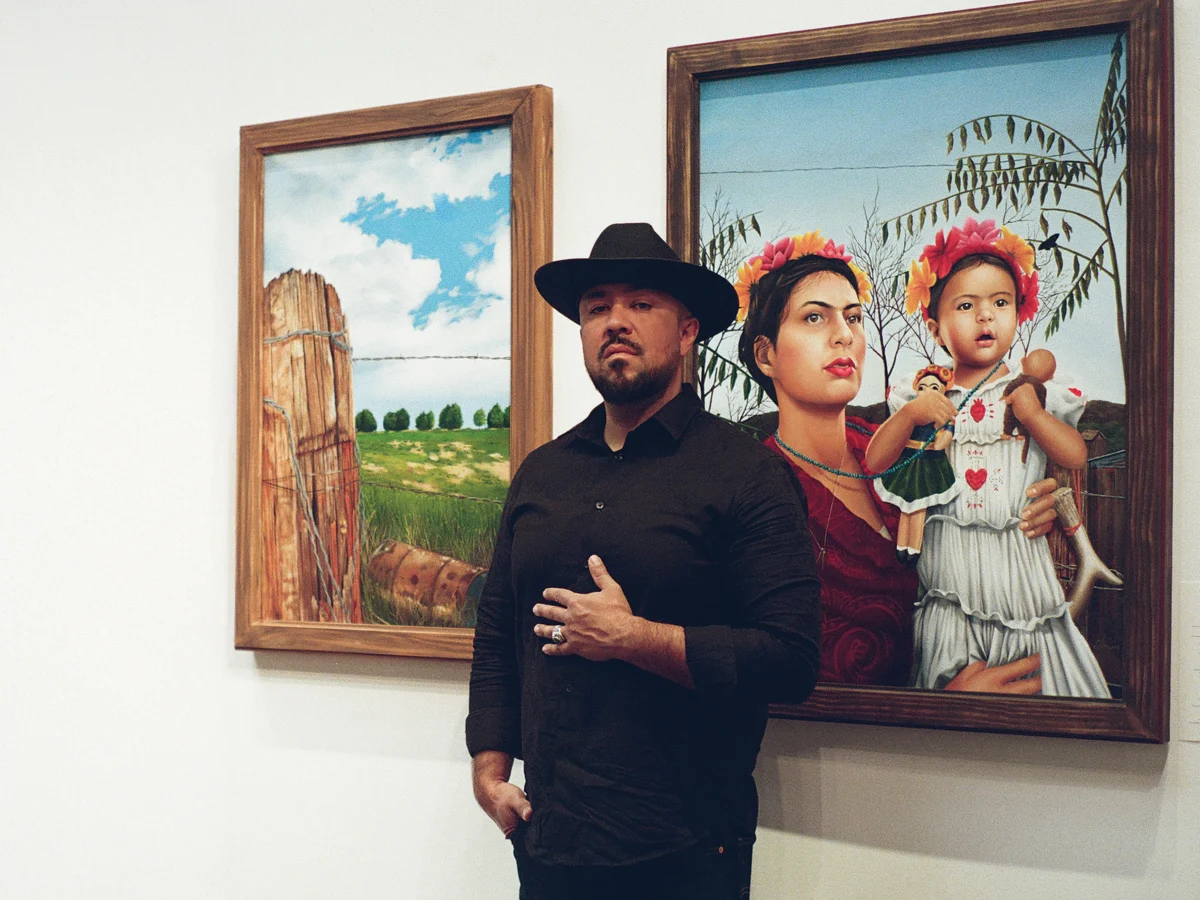
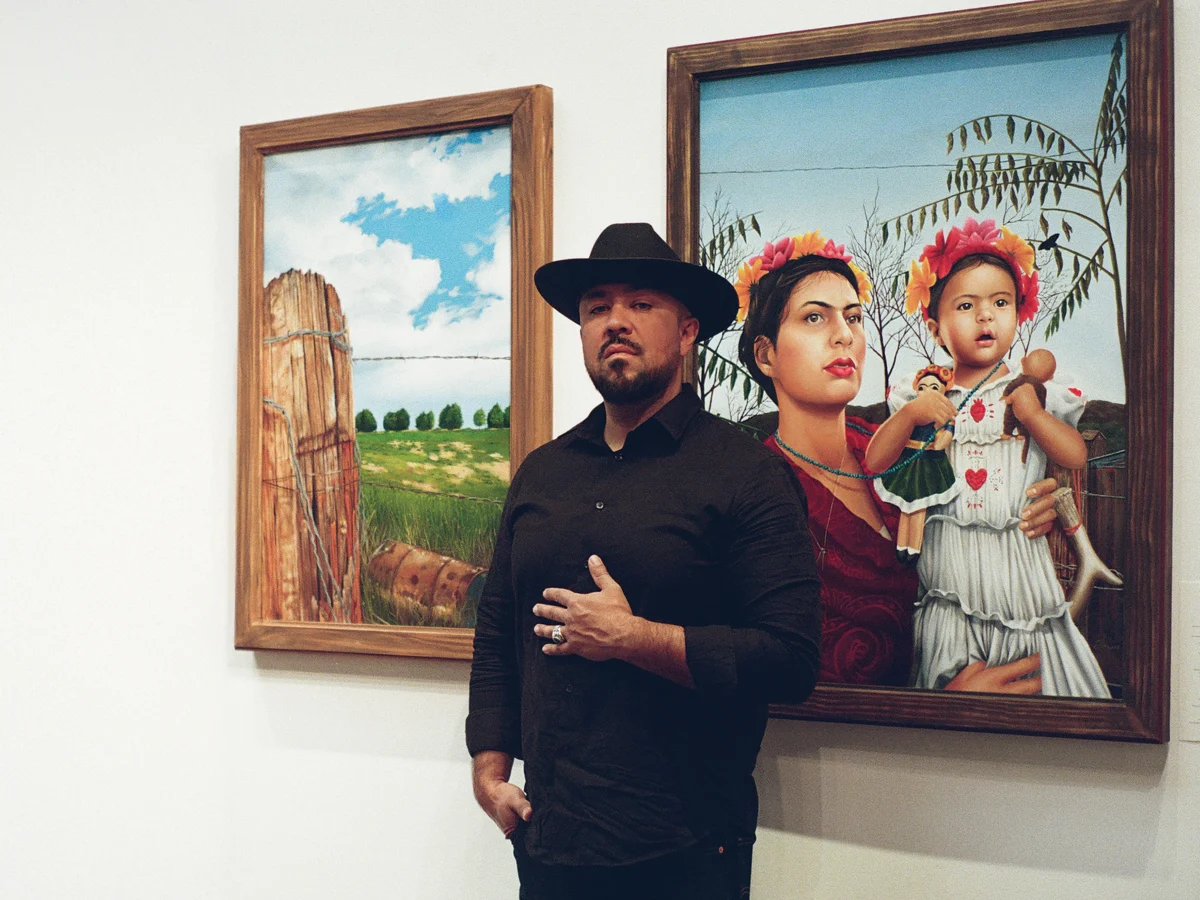
In the heart of Santa Fe, New Mexico, artist Eric Romero offers a profound meditation on the unseen legacies that shape lives, transforming a simple fence into a powerful emblem of intergenerational connection, resilient values, and the silent strength inherited from those who came before. What once appeared to a young boy as merely a boundary of wood and wire, a physical demarcation on the landscape, has, through the crucible of experience and the profound shift into fatherhood, revealed itself as a deeply symbolic structure, holding not just earth and horizon, but the very essence of ancestral endeavor and enduring purpose. Romero’s reflection transcends the personal, tapping into universal themes of heritage, the meaning of labor, and the quiet wisdom passed down through generations.
For many, a fence is a functional object—a barrier, a property line, a containment device. Yet, through Romero’s contemplative lens, it becomes a living testament, a physical manifestation of a grandfather’s enduring presence. The artist speaks of the wood "buried in the earth" and the wire "holding the horizon together," an evocative image that captures the deep-rootedness of tradition and the expansive vision of those who built the foundations of their world. This fence, weathered by time and elements, represents more than just an agricultural division; it embodies the meticulous effort, the unwavering commitment, and the silent sacrifices made by ancestors whose hands shaped the very ground beneath their descendants’ feet. It is a poignant reminder that while individuals may pass, their contributions can echo through the landscape for decades, even centuries, providing a tangible link to a past that continues to inform the present.
The "old world leaning against the new" is a particularly potent phrase, encapsulating the perpetual dynamic between tradition and progress that defines so many communities, especially in regions rich with history like the American Southwest. This interplay is not necessarily one of conflict, but often of synergy, where ancient wisdom provides ballast for modern challenges. In Romero’s narrative, the old world is represented by his grandfather’s silent, laborious work—the act of building, maintaining, and connecting with the land. The new world is his own journey, one where he initially overlooked the deeper significance of these tangible heritage markers, only to return to them with a newfound understanding forged by his own experiences as a parent. This journey of recognition speaks to a broader societal trend: a growing appreciation for sustainable practices, locally sourced wisdom, and the intrinsic value of manual skills in an increasingly digital and often disconnected global landscape.
Romero’s poignant admission, "I passed it as a boy without knowing I was passing through someone else’s hands," highlights a common human experience. Childhood often lacks the perspective to fully grasp the weight of history or the profound impact of ancestral efforts. The hands that built the fence are not just those of his grandfather but symbolize countless generations of labor, care, and stewardship that have shaped communities and cultures worldwide. From the ancient terraced farms of the Andes to the stone walls of Ireland, from the meticulously managed rice paddies of Asia to the expansive ranches of the American West, fences, walls, and other land divisions are more than just physical structures; they are repositories of human endeavor, embodying knowledge of soil, climate, community, and the persistent human drive to cultivate and protect.

The absence of his grandfather’s voice, yet the enduring memory of the farm, speaks to the power of place and the indelible imprints left by human interaction with the environment. The farm, in Romero’s telling, "remembers." This anthropomorphic quality grants the land a consciousness, a living archive of history where the "hands are still here, buried beneath the posts." This metaphorical burial signifies not an end, but a deep integration, a merging of human effort with the very fabric of the earth, ensuring that the legacy remains foundational. It emphasizes that true inheritance is often not just material wealth or spoken words, but the very ground on which one stands, imbued with the spirit and effort of those who tilled it.
The transformative experience of becoming a father proved to be Romero’s gateway to understanding this profound inheritance. It was then that he "learned the old language – work, patience, repair." This triad of virtues is not merely practical advice but a philosophy for living. "Work" speaks to diligence, commitment, and the satisfaction of creation. "Patience" reflects the understanding that meaningful endeavors take time, that growth is gradual, and that immediate gratification often pales in comparison to sustained effort. "Repair" signifies resilience, resourcefulness, and the belief that things of value are worth maintaining, mending, and preserving rather than simply discarding. These are timeless principles, crucial for sustaining not only physical structures but also relationships, communities, and indeed, entire ecosystems. In a world increasingly prone to planned obsolescence and rapid consumption, Romero’s emphasis on repair resonates as a powerful counter-narrative, advocating for durability, stewardship, and a deeper connection to the items and places that populate our lives.
This shift in perspective allowed Romero to finally "look at that fence and understand." The understanding is multi-layered: it’s an appreciation for the physical labor, a recognition of the love embedded in that labor, and a realization of the enduring purpose behind the construction. The fence, therefore, becomes a symbol of enduring support, a quiet bulwark against the vicissitudes of time and change. "A father does not always leave his name," Romero concludes, offering a profound insight into the nature of legacy. While names may be forgotten or diluted through generations, the tangible and intangible foundations laid by parents and ancestors—the values instilled, the resilience demonstrated, the physical spaces created—can offer an immutable source of strength and identity.
This idea of leaving "a place strong enough for his children to lean against" is a powerful metaphor for the enduring strength of heritage. It speaks to the psychological and emotional support derived from knowing one’s roots, from having a tangible connection to a past that provides stability in an ever-changing world. This "place" can be a physical home, a community, a set of values, or a cultural tradition. For indigenous communities globally, and particularly in the American Southwest where Romero resides, the connection to ancestral lands is not merely economic but deeply spiritual and identity-forming. The land itself, shaped and cared for by generations, becomes a repository of identity and resilience, a source of unwavering strength against pressures of modernization and cultural assimilation. Artists like Romero, rooted in their communities and traditions, often serve as crucial conduits for these powerful narratives, translating personal experiences into universal truths about belonging, memory, and the intricate tapestry of human existence. His work, whether visual or reflective, becomes an extension of that fence, a quiet, strong structure offering understanding and solace to those who pause to lean against it.