Rocky Georgio
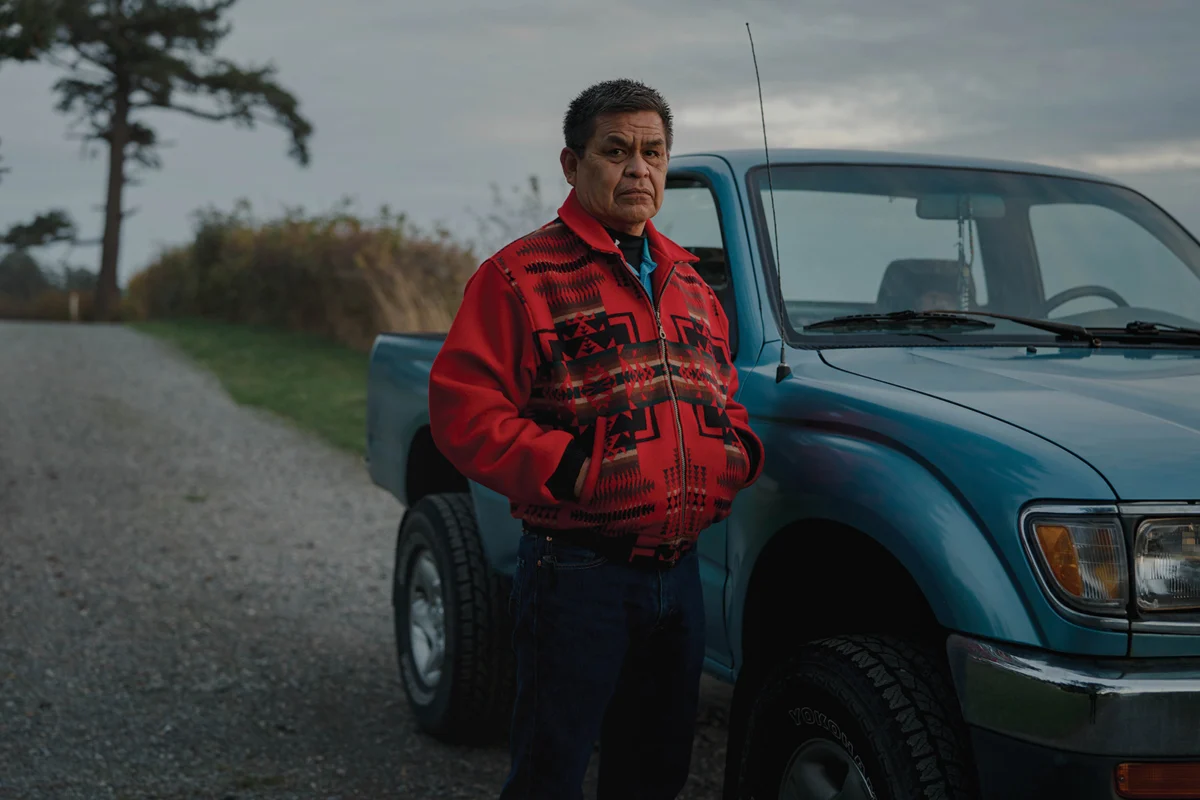
The Smokehouse Tidal Marsh project, initiated in 2022 on the Swinomish Indian Reservation, is transforming 250 acres of former agricultural land into vital estuaries and wetlands. This ambitious undertaking represents a crucial component of broader tribal community initiatives dedicated to revitalizing endangered and threatened populations of iconic Pacific Northwest species, including Puget Sound chinook salmon, Puget Sound steelhead, bull trout, and southern resident killer whales within the Skagit River Watershed. For generations, these species have faced severe population declines, with habitat loss and degradation stemming from unchecked development and agricultural expansion identified as primary culprits. Swinomish Tribal Indian Community Chairman Steve Edwards, a lifelong resident and angler with over five decades of experience in the region, emphasized the profound impact of this environmental damage, stating, "Over the past 150 years or so, there’s been significant damage to the habitat, and (the habitat is) what salmon needs."
The effectiveness of these crucial restoration efforts was significantly undermined in July when the Trump administration finalized sweeping changes to the federal government’s interpretation of the landmark 1973 Endangered Species Act (ESA). Historically, the definition of "harm" under the ESA encompassed not only direct injury to individual animals but also the destruction or degradation of habitats and resources essential for a species’ survival. The revised interpretation drastically narrows this definition, stipulating that "harm" now refers solely to the intentional killing or injuring of an individual member of a species. This shift fundamentally alters the Act’s focus from comprehensive ecosystem protection to a more limited, species-specific approach, raising serious concerns among environmental advocates and tribal nations alike.
In response to what they characterized as a "radical reinterpretation" of the law, the Swinomish and Squaxin Island tribes jointly filed a lawsuit against the federal government on July 14. Their legal action asserts that the administration’s changes disregard over half a century of congressional intent and established Supreme Court case law. The tribes articulated the profound interconnectedness of their cultural and economic well-being with the health of the region’s natural resources in their lawsuit filing, stating, "Squaxin’s cultural and economic well-being depend upon the health and sustainability of Pacific Salmon and other freshwater and marine resources, which play a central role in the daily lives of Tribal members."
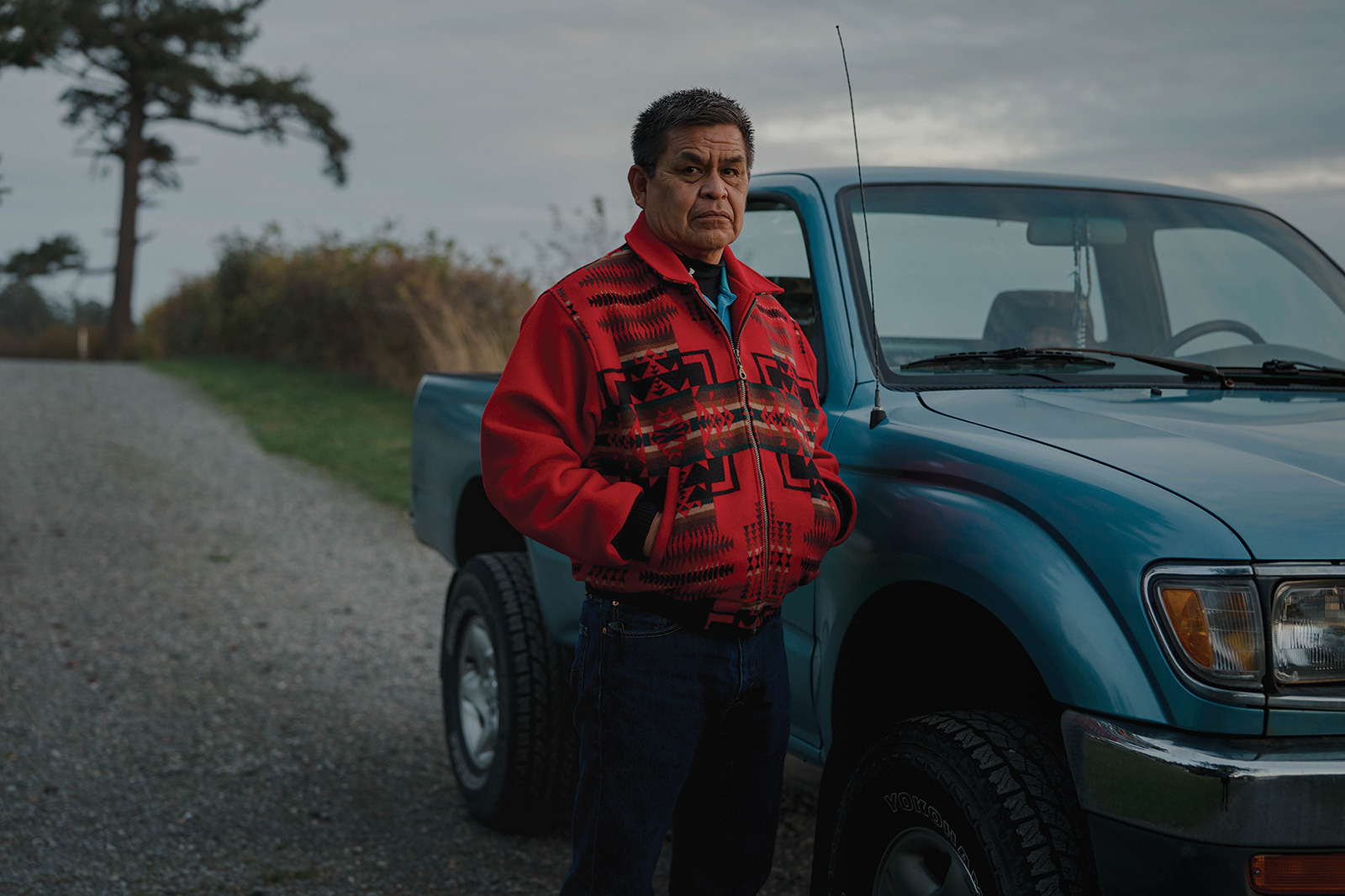
Chairman Edwards expressed deep disappointment and a sense of betrayal regarding the federal government’s actions, noting the absence of meaningful government-to-government consultation with the Swinomish Tribe despite the United States’ inherent trust obligation to Native nations. "It feels almost like we’ve been betrayed by our federal trustees," Edwards remarked, underscoring how the regulatory shift potentially diminishes their treaty rights. He added, "It’s super disturbing that we had to fight this fight." Many Native nations had voiced their opposition to the proposed changes during the public comment period, highlighting the lack of tribal consultation and the potentially devastating consequences for the recovery of imperiled species that hold immense cultural, spiritual, and relational significance for tribal citizens.
Beyond the direct impact on endangered species recovery, the reinterpretation of "harm" poses a threat to the economies of fishing communities and the subsistence practices of those who rely on these natural resources. The implications extend far beyond the Pacific Northwest, with tribes across the nation voicing concerns. While many comments focused on salmon populations, tribes such as the Pueblo of San Felipe raised alarms about the potential impact on monarch butterflies and Suckley’s cuckoo bumblebees. The Fallon Paiute-Shoshone Tribe, in particular, expressed grave concerns for the Dixie Valley toad, a species the tribe reveres as a relative.
Fallon Paiute-Shoshone Tribe Chairwoman Cathi Williams-Tuni powerfully articulated the flawed logic of the new definition, writing, "It is obvious that removing water from a species that needs water to survive harms both individual members of the species and the species’ population." She cited the potential ramifications for a proposed geothermal project near the Dixie Valley toad’s habitat, a project that was halted in 2022 after the toad was listed as endangered. Under the revised ESA interpretation, such projects could potentially resume, leading to what Williams-Tuni described as "catastrophic" harm, permanently damaging the tribe’s sacred sites and disrupting their ability to utilize the springs for medicinal and ceremonial purposes.
The tribes are seeking a judicial intervention to prevent the regulatory changes, which officially took effect on September 14, from moving forward. They aim for a court declaration that the changes are unlawful and a reversion to the previous, broader definitions of "harm." While acknowledging the possibility of a lengthy legal process, the tribes are prepared for the lawsuit to potentially span several months.

The revised rule is seen as a significant boon for developers and industries, potentially freeing them from the obligation to consider or mitigate the broader habitat impacts of their projects. Previously, activities that threatened to destroy critical habitat for protected species would trigger a permit process that often included mandatory tribal consultation. The new framework significantly reduces the frequency of such permit requirements, effectively sidelining tribal input. Bob Anderson, a visiting professor of law at Harvard Law School and a member of the Bois Forte Band of the Minnesota Chippewa Tribe, noted that the emphasis on proving intentional harm presents a formidable legal challenge. "Companies won’t have any incentives to negotiate with the government or environmental groups or tribes about how their activities are going to affect the listed species," Anderson observed.
Furthermore, the reinterpretation could destabilize large-scale agreements governing river systems that support ESA-listed species. Existing accords, such as those concerning the Klamath, Elwha, and Columbia rivers, mandate specific water releases from dams to support salmon migration and spawning cycles. The new interpretation casts doubt on the enforceability of these agreements and could exponentially complicate ongoing salmon recovery efforts. Kayeloni Scott (Nez Perce and Spokane), executive director of the Columbia River Snake Campaign, a coalition advocating for salmon recovery, expressed the steep climb ahead: "We’re not even close to delisting these species. Our goal is abundance—healthy and abundant populations—that’s a whole other level, a whole other tier. Even getting to delisting, we’re pretty far off."
Anderson acknowledged the strength of the legal arguments presented by tribes and environmental groups but cautioned about the inherent political risks, particularly given the administration’s track record of perceived retaliation. He pointed to the case of the Miccosukee Tribe of Indians of Florida, which joined a lawsuit challenging the construction of an immigration detention center in the Everglades. Following their opposition, President Donald Trump vetoed a bipartisan bill that would have returned land to the tribe, explicitly citing their stance on the detention center as the reason for his decision. "That’s a real message there to plaintiffs that they’re going to retaliate against you," Anderson stated. "You’re locking horns with the federal government."
Despite these significant challenges, Chairman Edwards remains resolute in his commitment to safeguarding the nation’s sovereign rights for future generations and ensuring that restoration work continues unabated. "It does impact our sovereignty," Edwards affirmed regarding the changes to species protections. "Generations down the road, I want (Swinomish citizens) to be able to exercise their treaty rights like I have done in the past."