Roger Danuarta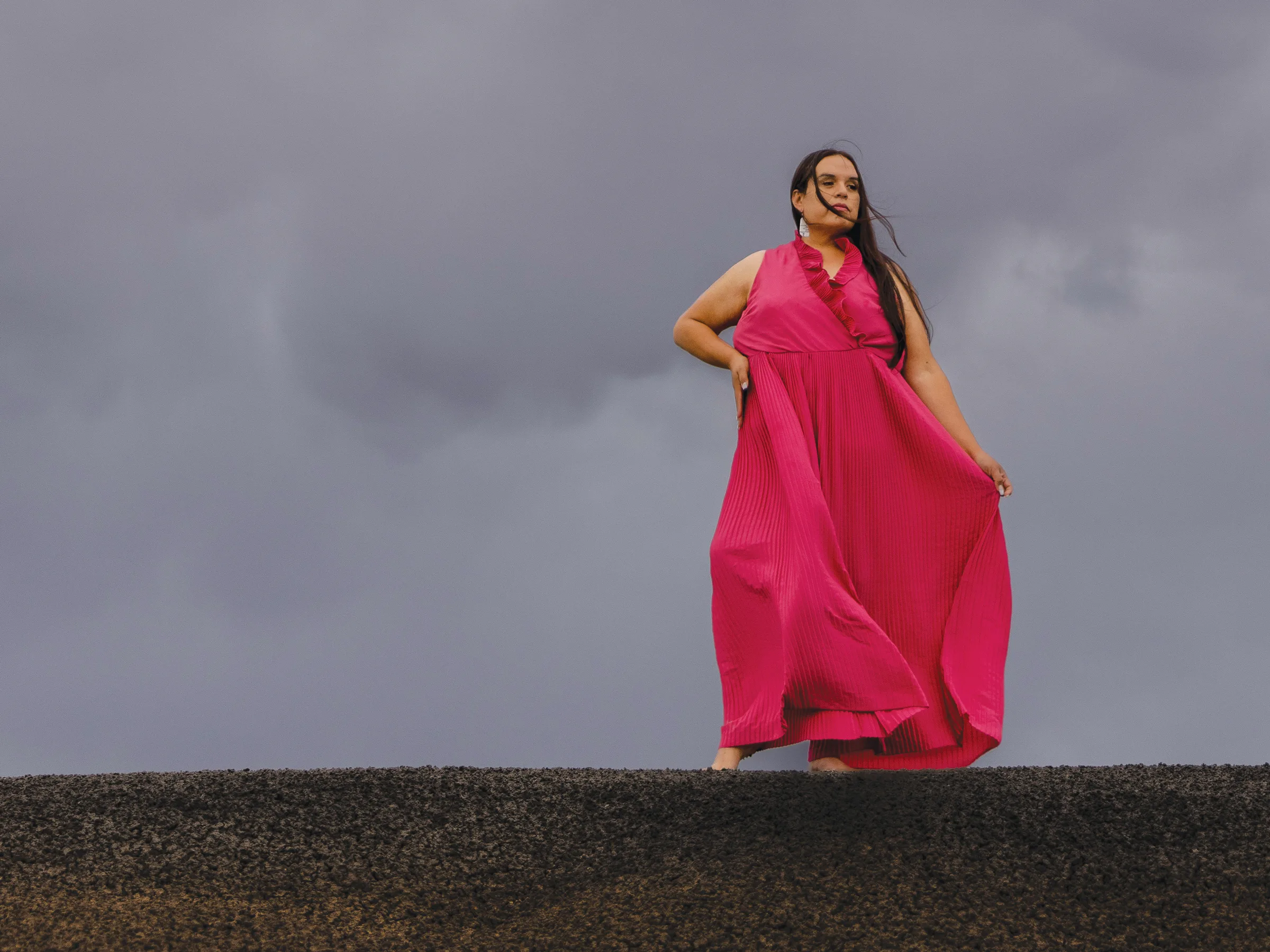
In the vast, resonant landscapes of Diné Bikéyah, specifically Monument Valley, Diné/Navajo R&B musician Ramonda Holiday has transformed a deeply personal journey of survival and spiritual awakening into a powerful force for community healing. Holiday, a transgender woman, has leveraged her own experiences with addiction, sex work, and the challenges of navigating life in the early 2000s to establish "Before the Rocks Cry Out," a nonprofit organization dedicated to intertwining mental, spiritual, and physical health with the transformative power of music, primarily serving Indigenous communities grappling with addiction and abuse. Her forthcoming album serves as a poignant narrative of this arduous path, commencing with raw, unfiltered accounts of her struggles and evolving into a testament to sobriety and spiritual deliverance. The album’s culmination, a gospel song penned during her time in jail, encapsulates a profound moment of contrition and a plea for divine forgiveness, marking a pivotal turn in her life’s trajectory.
Holiday’s odyssey reflects a broader, often unaddressed crisis within marginalized communities, particularly for transgender individuals and Indigenous peoples. The early 2000s presented formidable obstacles for trans women, who frequently encountered systemic discrimination, social stigma, and heightened vulnerability to violence and economic hardship. For Indigenous trans women, these challenges are compounded by the enduring legacy of colonialism, historical trauma, and intergenerational impacts that have severely eroded traditional support systems and cultural identities. Holiday’s candid recounting of her “survival mode” existence sheds light on the stark realities faced by many who find themselves at the intersection of multiple marginalized identities, where access to safe housing, employment, healthcare, and acceptance remains elusive. Her eventual triumph over addiction and her embrace of sobriety are not merely personal victories but represent a beacon of resilience for countless others facing similar battles.
"Before the Rocks Cry Out" emerged from this crucible of personal transformation, driven by Holiday’s unwavering conviction that healing must be holistic and culturally resonant. The organization’s philosophy recognizes that mental, spiritual, and physical well-being are inextricably linked, a principle deeply embedded in many Indigenous worldviews. This integrated approach stands in stark contrast to conventional, often fragmented, Western healthcare models that may fail to address the complex interplay of factors contributing to addiction, trauma, and mental health crises within Indigenous populations. The nonprofit specifically targets individuals experiencing addiction and those who have suffered abuse, offering a pathway to recovery that honors cultural heritage and spiritual connection.

Music, for Holiday, is far more than entertainment; it is a therapeutic modality, a spiritual conduit, and a universal language of healing. In many cultures, including Diné traditions, music and song are integral to ceremonies, storytelling, and collective well-being. "Before the Rocks Cry Out" harnesses this inherent power, utilizing musical experiences to foster emotional expression, spiritual upliftment, and a sense of community belonging. This approach is particularly effective in reaching individuals who may feel alienated or uncomfortable accessing traditional behavioral health services due to past negative experiences, cultural insensitivity, or simply the stigma associated with seeking help. By creating a "safe space" where support is brought directly to the community, the organization lowers barriers to entry and encourages engagement from those most in need.
Last year marked a significant milestone for the organization with its inaugural event, featuring the renowned gospel artist Vicki Winans. This event exemplified Holiday’s strategic vision: it was not merely a concert but a multifaceted community gathering designed to bridge gaps in resource access. By inviting various local behavioral health services to participate, offering resources and speaking opportunities, "Before the Rocks Cry Out" effectively served as a crucial connector. Attendees could experience the uplifting spiritual and therapeutic benefits of music while simultaneously gaining direct access to professional support and information in a non-intimidating environment. This innovative model demonstrates a profound understanding of community needs, prioritizing accessibility and cultural relevance in the delivery of vital services.
The challenges faced by Indigenous communities globally, from the First Nations of Canada to the Aboriginal peoples of Australia and the tribal nations across the United States, are often rooted in historical dispossession, cultural suppression, and ongoing systemic inequities. These factors contribute significantly to disproportionately high rates of substance abuse, domestic violence, and mental health issues. Holiday’s work in Diné Bikéyah directly addresses these critical issues by advocating for Indigenous-led solutions that empower communities to heal from within. The focus on culturally affirming practices and the integration of traditional values into contemporary healing modalities are crucial for sustainable recovery and well-being. Her efforts underscore the global movement towards self-determination and the recognition that effective solutions must originate from and be sustained by the communities they serve.
Beyond its immediate impact, "Before the Rocks Cry Out" offers a compelling blueprint for community-based interventions worldwide. The organization’s emphasis on holistic care, the therapeutic power of music, and the creation of accessible, culturally sensitive "safe spaces" provides a transferable model for other marginalized populations struggling with similar challenges. Ramonda Holiday’s personal narrative of resilience and her commitment to uplifting her community through art and advocacy resonate far beyond Monument Valley, embodying a universal message of hope and the transformative potential of giving back. Her work stands as a testament to the enduring human spirit and the profound impact one individual can have in fostering healing and building a brighter future for those most vulnerable.