Johny Prima
Energy developer Avangrid has officially withdrawn its long-standing permit application for an industrial-scale solar facility on Badger Mountain in central Washington, a site profoundly sacred to the Confederated Tribes of the Colville Reservation and the Confederated Tribes and Bands of the Yakama Nation. This significant decision marks a victory for Indigenous rights advocates who have fiercely opposed the project, arguing it would desecrate ancestral lands vital for cultural practices and spiritual continuity. The proposed development, initially envisioned to contribute to the region’s renewable energy goals, straddled both private holdings and public lands managed by the Washington Department of Natural Resources, areas where tribal nations possess inherent rights, often enshrined in treaties and federal law, to practice traditional ceremonies, gather sustenance, and maintain their unique cultural heritage. A comprehensive investigation earlier this year brought to light how Avangrid’s proposed solar development directly threatened these foundational rights, sparking widespread public and tribal concern.
Chairwoman Cindy Marchand of the Colville Tribes expressed profound satisfaction with the outcome, stating that while the Tribes acknowledge the critical importance of renewable energy and the global imperative to transition towards sustainable power sources, the sanctity of sacred sites must remain inviolable for the transmission of cultural knowledge and traditions to future generations. Her statement underscores a growing global tension between the urgent demand for green energy infrastructure and the imperative to protect the ancestral lands and cultural resources of Indigenous peoples. This sentiment resonates deeply within communities worldwide grappling with similar dilemmas, where the push for climate solutions often intersects with — and sometimes clashes with — the historical rights and sovereignty of First Nations, highlighting the complex ethical landscape of the modern energy transition.
The precise motivations behind Avangrid’s withdrawal remain somewhat ambiguous, as the company declined to offer explicit clarification regarding its decision. Official permitting proceedings, however, suggest that factors beyond Indigenous rights, primarily significant construction delays within the regional energy grid, may have influenced the company’s change of course. Avangrid, a prominent subsidiary of the Spanish energy giant Iberdrola and a major player in North American renewable energy development, boasting a vast portfolio of wind and solar projects, had previously cited these grid infrastructure challenges as a reason for seeking extensions to its permitting timeline. This lack of transparent communication from the developer and the Department of Natural Resources highlights the complex interplay of economic, logistical, and social considerations that influence large-scale energy projects.
The conflict on Badger Mountain exemplifies a recurring and increasingly prevalent challenge in the global energy transition: how to effectively balance the urgent need for decarbonization and rapid renewable energy deployment with the fundamental rights and cultural preservation of Indigenous communities. From massive wind farms planned on ancestral hunting grounds in Europe and North America to geothermal plants near sacred hot springs in New Zealand, projects designed to combat climate change frequently encounter opposition from Native peoples protecting their heritage. These communities, often marginalized and historically dispossessed, increasingly demand a seat at the table, asserting that sustainable development must be truly equitable and respect the profound, intergenerational connection Indigenous peoples hold with their traditional territories. This particular case in Washington state has garnered attention as a microcosm of this broader, worldwide struggle for environmental justice and Indigenous self-determination, emphasizing that "green" energy must also be "just" energy.
Washington state, a leader in renewable energy aspirations, has set ambitious targets for transitioning away from fossil fuels, driving a surge in solar, wind, and hydropower proposals across its diverse landscapes. The state’s Energy Facility Site Evaluation Council (EFSEC) plays a crucial role in vetting these large-scale projects, balancing critical energy needs with potential environmental and cultural impacts. However, the permitting process often places the burden of advocacy squarely on tribal nations, who must navigate complex regulatory frameworks and legal precedents to assert their treaty rights and cultural claims. The Badger Mountain proposal, situated within this dynamic landscape, underscored the systemic vulnerabilities faced by tribal resources when confronted by powerful corporate development interests, a vulnerability highlighted in a significant 2024 investigative report that brought the issue to public prominence and galvanized opposition.
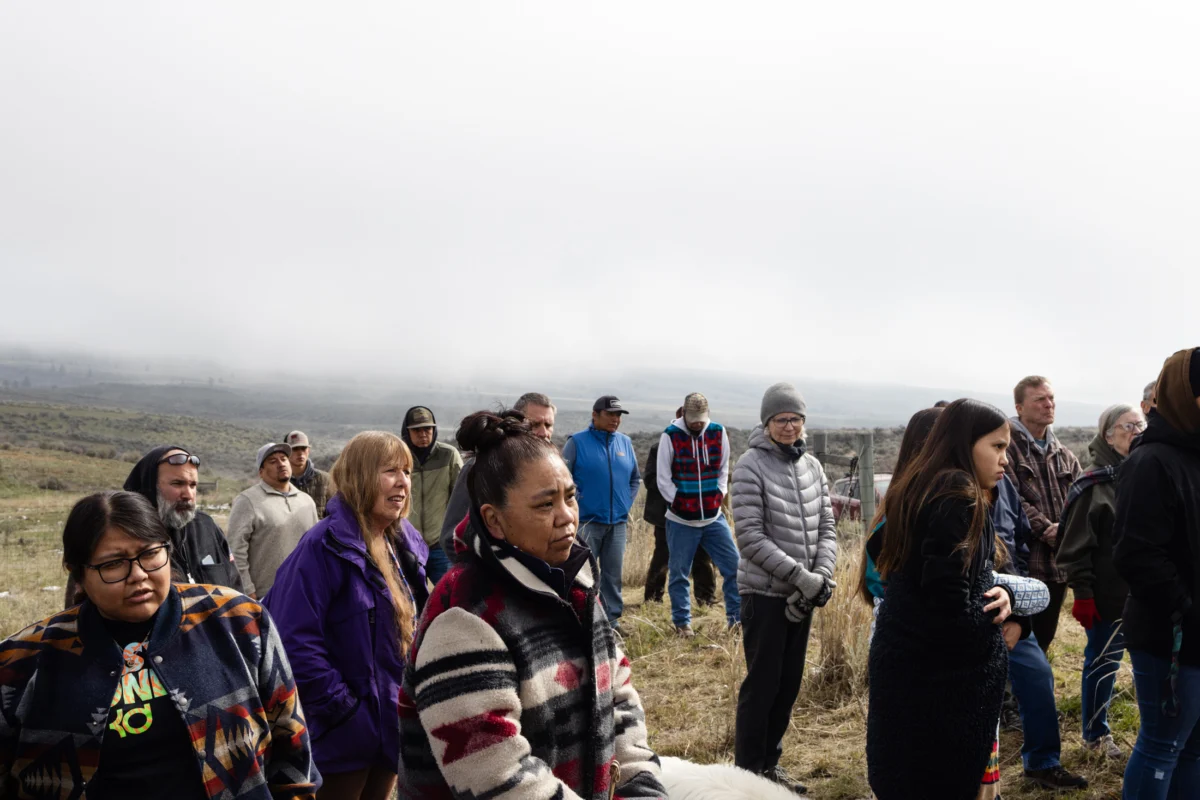
Following the widespread dissemination of that investigation, opposition to the Badger Mountain project intensified dramatically. Members of the Wenatchi-P’squosa, one of the twelve constituent tribes of the Confederated Colville Tribes, organized a powerful demonstration on Badger Mountain in 2024. This grassroots action, spearheaded by the independent Wenatchi Advisory Group, articulated a clear and unified message: while fully supporting the overarching goal of renewable energy to combat climate change, such projects must not be sited on culturally significant landscapes. The demonstration served as a poignant reminder of the deep spiritual and historical ties connecting the Wenatchi-P’squosa people to the land, asserting that the pursuit of clean energy cannot come at the expense of sacred heritage, which forms the bedrock of their identity and survival.
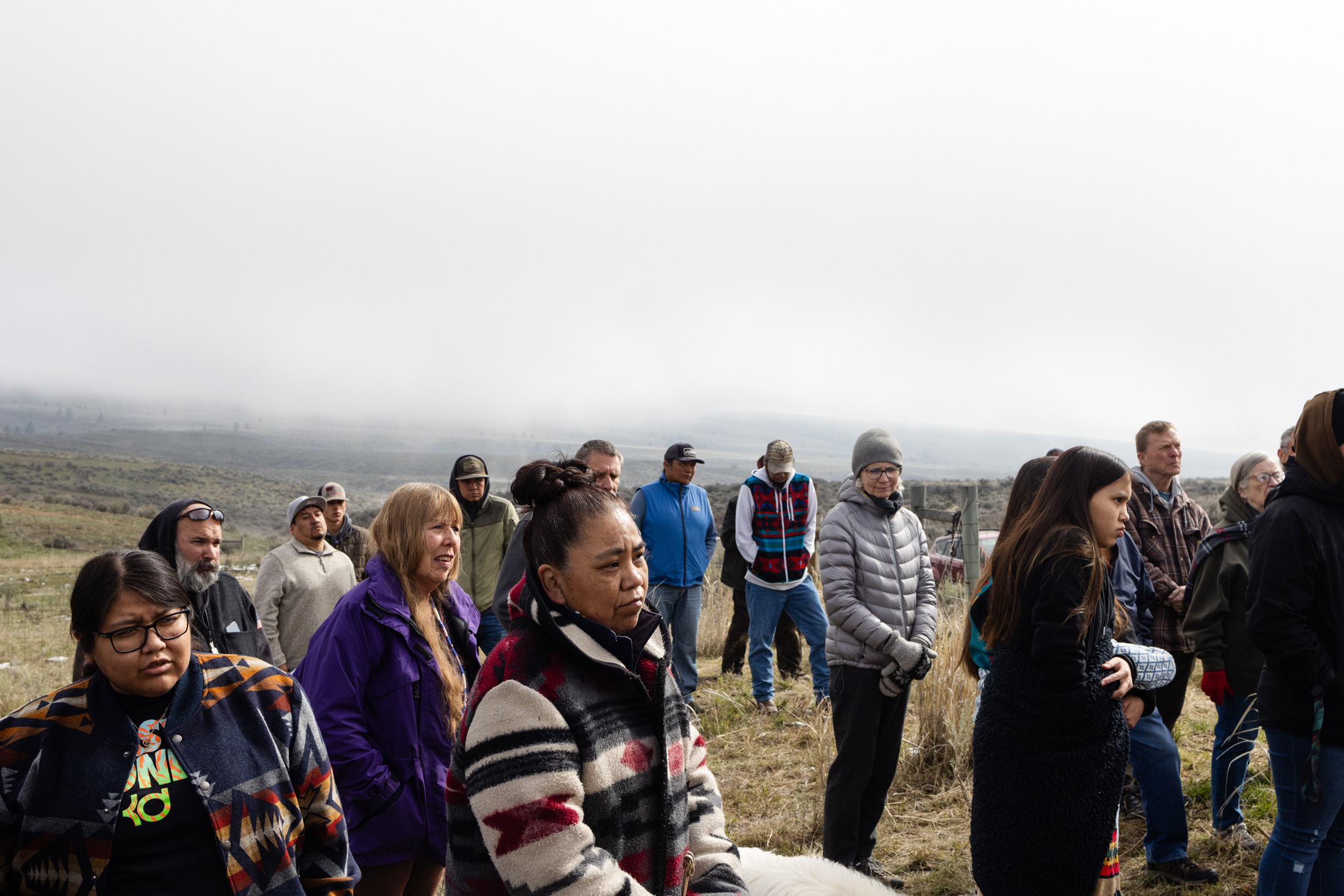
The public outcry and direct advocacy from tribal communities prompted Avangrid to announce a temporary pause in development, signaling an intent to reconsider tribal input and public sentiment. This period of reevaluation underscored the critical role of public comment and organized advocacy in shaping the trajectory of major infrastructure projects. For tribal nations, the public comment process often represents one of the few formal avenues available to articulate their concerns, assert their rights, and influence land development decisions that directly impact their ancestral territories and cultural practices. This temporary halt offered a glimmer of hope that Indigenous voices were finally being heard in the intricate web of energy development and regulatory oversight, potentially setting a precedent for more inclusive decision-making.
The complexities of regional energy infrastructure ultimately became a central theme in Avangrid’s discussions with state regulators. At a state energy permitting meeting earlier this month, Avangrid’s senior director of business development, Mark Eilers, requested another year-long extension to pause permitting work, explicitly citing significant construction delays impacting the Bonneville Power Administration (BPA). The BPA, a federal agency responsible for power transmission across the Pacific Northwest, is currently undertaking the crucial Cross-Cascades North transmission line project, designed to bolster power delivery from eastern Washington to the burgeoning demand centers around Seattle. Eilers revealed that BPA’s anticipated construction timeline for this vital line had been pushed back by a staggering four years, now expected to conclude in 2032. While not directly stated as the sole reason, this substantial delay strongly implied a major logistical hurdle for the solar project’s immediate viability and economic rationale.
During the same EFSEC meeting, the council’s chair, Kurt Beckett, addressed the contentious nature of the project’s potential environmental and cultural impacts. While noting the council’s general aim to "minimize as much of that noise" in public forums, he nevertheless acknowledged the persistent and significant objections raised by both the Yakama Nation and the Colville Tribes. Beckett emphasized that these tribal objections "exist" and must be given due consideration within the state’s permitting decisions, a significant recognition of Indigenous concerns within a regulatory body often primarily focused on technical and economic feasibility. This acknowledgement, even if framed cautiously, signaled a growing awareness within state government of the undeniable importance of tribal sovereignty and cultural protection, a shift that is slowly gaining traction across national and international development contexts.
Just five days following that pivotal EFSEC meeting, Avangrid formally submitted its request to completely withdraw the Badger Mountain proposal, an initiative that had been under various stages of development since at least 2019. The rapid succession of events—from a request for extension citing grid delays to a full withdrawal—suggests a confluence of pressures, where logistical challenges likely compounded the intense and sustained opposition from tribal nations, making the project increasingly unfeasible both practically and politically. EFSEC promptly announced the formal withdrawal, confirming that it would proceed with closing out existing financial arrangements and notifying all interested parties and agency partners, effectively bringing an end to the protracted permitting saga. The council refrained from further comment, deferring inquiries to the developer, maintaining the veil of ambiguity over the definitive reason for the project’s cancellation, yet leaving an undeniable impression of tribal advocacy’s impact.
Despite the corporate reticence, the Wenatchi Advisory Group expressed immense relief and gratitude for the decision. Steven Wynecoop, vice chair of the group and grandson of its revered founder, Matthew Dick, articulated the profound joy within his community. "We are very, very happy that they chose to go this route with us, ’cause it is a very sacred site to us," Wynecoop stated, emphasizing the deeply personal and intergenerational connection to Badger Mountain. He detailed how generations of his people have journeyed to the mountain for a myriad of reasons, not merely for practical resources but as a living landscape imbued with spiritual significance: "medicines, foods like roots and berries," he recounted, underscoring that families continue to conduct sacred ceremonies on its slopes, preserving ancient traditions that define their cultural identity.
Wynecoop further illuminated the rich tapestry of Wenatchi history interwoven with Badger Mountain through cherished family anecdotes, passed down through generations. He shared a heartwarming story from his grandfather about a time when his family was gathering medicines on the mountain. They encountered landowners who, charmed by young Uncle Terry, offered their portion of Badger Mountain in exchange for adopting the boy. "They thought he was just adorable," Wynecoop chuckled, recalling his grandfather’s frequent retelling of the tale at family gatherings and ceremonies. His grandmother, without hesitation, declined the offer, demonstrating the immeasurable value placed on family and cultural continuity over material possessions or even land ownership in the Western sense. "We would always laugh, ’cause Grandpa would always say, ‘Yeah, now here we are — no Badger Mountain, but we got Terry!’" This poignant story encapsulates the essence of Indigenous connection to land: it is not merely property but a repository of identity, memory, and an irreplaceable spiritual heritage, reinforcing the enduring triumph of cultural preservation over commercial interests in this particular instance, and offering a powerful narrative for future dialogues between development and tradition.