Johny Prima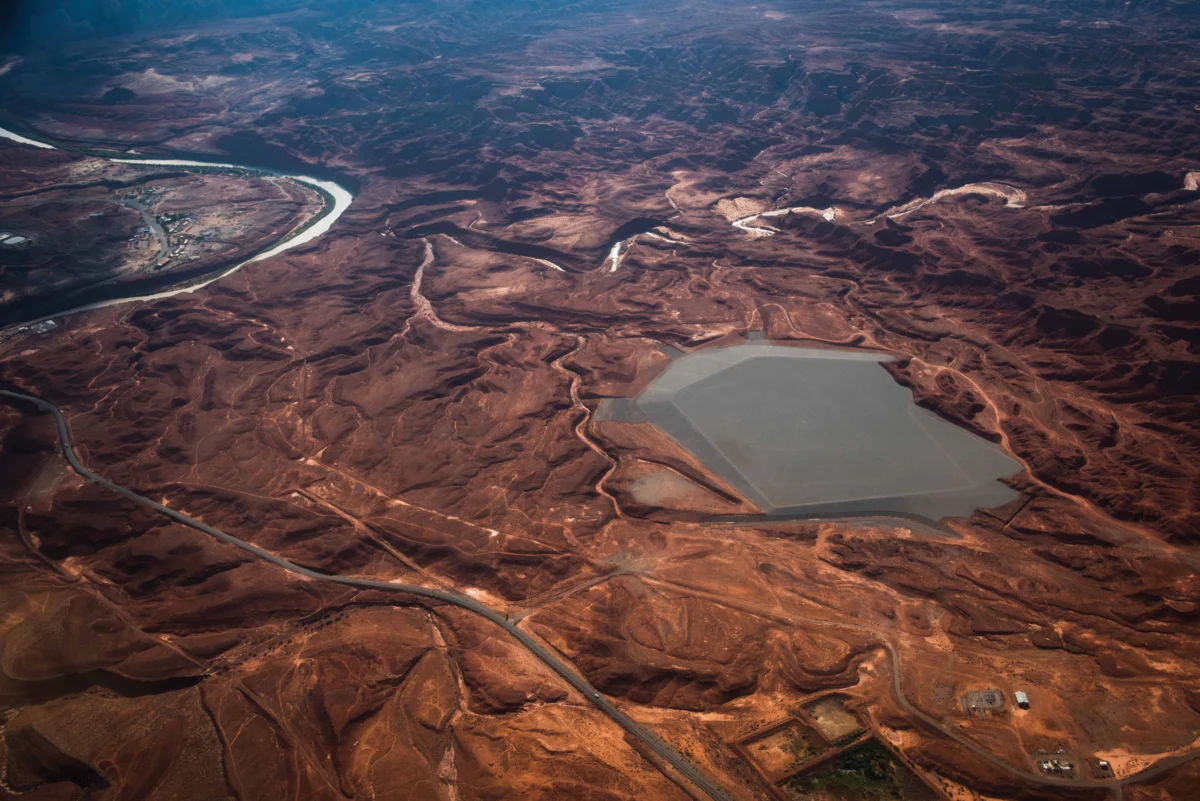
Construction on the Velvet-Wood uranium mine commenced last fall amidst the ancient sandstone deposits of San Juan County, Utah, marking a significant and contentious precedent as the first mining project permitted by the federal government under a newly instituted "emergency" process. This expedited pathway dramatically compresses the environmental review mandated by the National Environmental Policy Act (NEPA) from a typical duration of months or even years to a mere 14 days, effectively sidelining established safeguards for public and tribal input. Under this accelerated scheme, tribal governments received a mere seven days to provide feedback, a stark reduction from the customary minimum of 30 days, while the standard public comment period, a cornerstone of democratic governance and environmental protection, was entirely eliminated due to the project’s purported "emergency" status.
The mine’s location itself adds layers of historical and environmental sensitivity. San Juan County is an area already deeply scarred by decades of uranium extraction, a legacy that continues to impact local ecosystems and communities. The Ute Mountain Ute Tribe, whose ancestral lands encompass this region, has long voiced fervent opposition to the nearby White Mesa Uranium Mill, a facility that abuts their community and processes uranium ore from mines across the Four Corners region, including the newly approved Velvet-Wood site. During the abbreviated week-long tribal comment period for the Velvet-Wood project, six sovereign nations formally registered their profound concerns with the Bureau of Land Management (BLM). Their objections centered on the alarming speed of the review process and the palpable threat of water contamination, a perennial issue in uranium mining regions, from the mine’s operations. Despite these critical warnings, the federal agency proceeded without making any modifications to the project plan, underscoring the diminished influence of tribal voices in this new regulatory landscape.

This shift in federal policy is not an isolated incident. Earlier, the previous administration had finalized a comprehensive elimination of standards for how federal agencies conduct NEPA environmental reviews for large-scale projects on public lands, including the crucial public comment periods. These sweeping changes were implemented without any meaningful consultation with tribal nations, despite their strong and unified opposition. This disregard for established protocols drew sharp condemnation from leading Indigenous advocacy groups. The National Congress of American Indians (NCAI) and the National Association of Tribal Historic Preservation Officers (NATHPO) issued a joint letter decrying the "announce-and-defend method of developing federal Indian policy" as an "inappropriate, paternalistic, unjustified, and historically inefficient method of decision-making." They argued that bypassing previous standards "ignores federal trust and treaty responsibilities, impinges on roles and sovereignty of Tribal Nations, and flouts longstanding policy and practice by failing to consult with Tribal Nations."
The federal government operates under a legally binding trust responsibility to consult with tribal nations on rules and policies that directly affect them, a principle rooted in centuries of treaty agreements and federal law, including Executive Order 13175, which mandates regular and meaningful consultation. Yet, critics argue that the previous administration consistently circumvented or expedited these consultation requirements to advance an aggressive "energy dominance" agenda, prioritizing resource extraction on tribal nations’ ancestral lands. These cumulative changes fundamentally alter the mechanisms through which tribal nations and the broader public historically influenced the management and stewardship of vast swaths of land across the Western United States.
Central to the justification for these expedited processes has been the assertion of an "energy emergency," a claim that many experts and tribal advocates challenge. Gussie Lord, a managing attorney with Earthjustice’s Tribal Partnerships Programs, unequivocally stated, "It’s all predicated on something that isn’t true: We don’t have an energy emergency." Lord emphasized that the erosion of public input and tribal consultation will only exacerbate the myriad issues already confronting tribal nations. For Indigenous communities, she explained, "A lot of their resources, their cultural and environmental resources often are one and the same." She further highlighted that "the existing laws and regulations that we have are already insufficiently protective of tribal rights and resources," implying that weakening them further creates an even more precarious situation.

Beyond NEPA, other critical environmental and cultural protection regulations faced similar pressures under the "energy dominance" paradigm. Agencies such as the BLM and the Forest Service rescinded the Public Lands Rule and the Roadless Rule without tribal consultation, decisions that hold profound implications for tribes’ ability to safeguard natural and cultural resources on public lands. Concurrently, efforts were made to "streamline" Section 106 of the National Historic Preservation Act (NHPA), a vital tool that enables tribal nations to ensure government consultation on projects impacting sites of cultural and historical significance. Similarly, proposed changes to Section 401 of the Clean Water Act (CWA) threatened to diminish tribes’ capacity to review the environmental impacts of extractive projects within their reservation borders before federal permits are issued. These legislative and regulatory frameworks represent hard-won protections, often serving as the last line of defense against irreparable harm to Indigenous heritage and environments.
The current administration, recognizing the previous rollbacks, has initiated efforts to restore environmental safeguards. The Council on Environmental Quality (CEQ), under the current administration, dedicated three and a half years to updating NEPA implementation regulations, a process that involved extensive consultation with tribal nations and the public. These updates incorporated crucial provisions requiring federal agencies to explicitly consider climate change impacts and environmental justice implications when evaluating proposed projects. However, the legacy of immediate, unconsulted changes from the previous administration, coupled with a renewed push for efficiency across agencies, creates ongoing complexities. For instance, the Interior Department’s new interim set of standards for mining projects now stipulates a 28-day review period, which can be further truncated to just 14 days with an "emergency" declaration, as was the case with the Velvet-Wood mine. This stands in stark contrast to past reviews that could extend for up to four years, raising concerns about the thoroughness of environmental assessments and the adequacy of stakeholder engagement.
Justin Pidot, a University of Arizona professor of law and former general counsel for the White House Council on Environmental Quality, underscored the serious consequences stemming from this regulatory flux and uncertainty. "One is the agencies don’t know how to work together. The second is that there’s litigation risk. The third is that project sponsors don’t know what they’re supposed to do," Pidot explained. He elaborated that the removal of clear, common standards "creates lots of complexity for the public, for tribes, for states, for local governments, for nonprofits." The inherent value of a consistent regulatory framework, Pidot noted, is that "having a common set of rules makes sense for everyone," facilitating predictability and transparency. The accelerated processes, however, "substantially limit the degree of information flowing from the federal government to the public about big projects, including to tribes," hindering informed participation and oversight.

In their formal comments to the CEQ regarding the proposed elimination of NEPA standards, numerous tribal nations echoed these profound concerns. They consistently highlighted the glaring absence of consultation in the rule-making process and articulated the significant burden imposed by navigating disparate agency processes without a unified regulatory framework. While acknowledging that some degree of streamlining and deregulation could potentially be beneficial, tribal leaders and organizations like the National Congress of American Indians emphasized that such reforms are only acceptable if tribal perspectives are genuinely integrated into the process, not excluded. Their collective stance is that the wholesale removal of regulations fundamentally undermines NEPA’s core purpose of ensuring environmental protection and public involvement.
Compounding these regulatory challenges, federal budget cuts and widespread layoffs have further crippled the capacity of agencies to effectively carry out their mandated work. These funding reductions have particularly impacted essential programs, including support for tribal historic preservation officers, who play a critical role in facilitating government-to-government consultation on projects affecting cultural resources. Pidot characterized this predicament as an attempt to "drown people in an avalanche while providing them with no resources to meet the moment, and call that consultation and collaboration," highlighting the systemic disadvantages faced by tribal nations.
Simultaneously, even as the federal government has moved to curtail public and tribal input on environmental reviews, it has also strategically acquired financial stakes in mining companies. This includes investments in the entities behind two highly controversial projects actively opposed by various tribal nations and Indigenous communities: the Thacker Pass lithium mine in Nevada and the Ambler Road project in Alaska. This direct financial involvement raises critical questions about potential conflicts of interest and the impartiality of future permitting decisions. As Gussie Lord aptly questioned, "It’ll be interesting to see if their approval processes for mines in which the federal government has a stake is quicker than it otherwise would have been."

Ultimately, this confluence of regulatory changes, expedited processes, and federal investments in extractive industries points to a broader systemic approach. As Justin Pidot summarized, "The big theme is that anything and anyone that stands in the way of the kinds of projects that this administration wants to do is an obstacle to progress that they’re going to overrun." The implications for environmental justice, tribal sovereignty, and the long-term health of public lands across the Western U.S. remain a significant and unfolding concern.