Joko Susilo
Under this revised guidance, the implications are stark: a timber company might legally clear-cut a forest, destroying the nests and young of a protected avian species like the peregrine falcon, without facing legal repercussions for the resulting fatalities. Similarly, an energy company could discharge pollutants in an oil spill, decimating an entire aquatic ecosystem and driving unique fish species to extinction, yet evade accountability under federal wildlife protections. This shift effectively creates a loophole for industrial operations, potentially allowing the wholesale destruction of vulnerable populations under the guise of "accidental" harm, eroding the very purpose of the ESA, which has been instrumental in preventing the extinction of hundreds of species since its enactment in 1973.

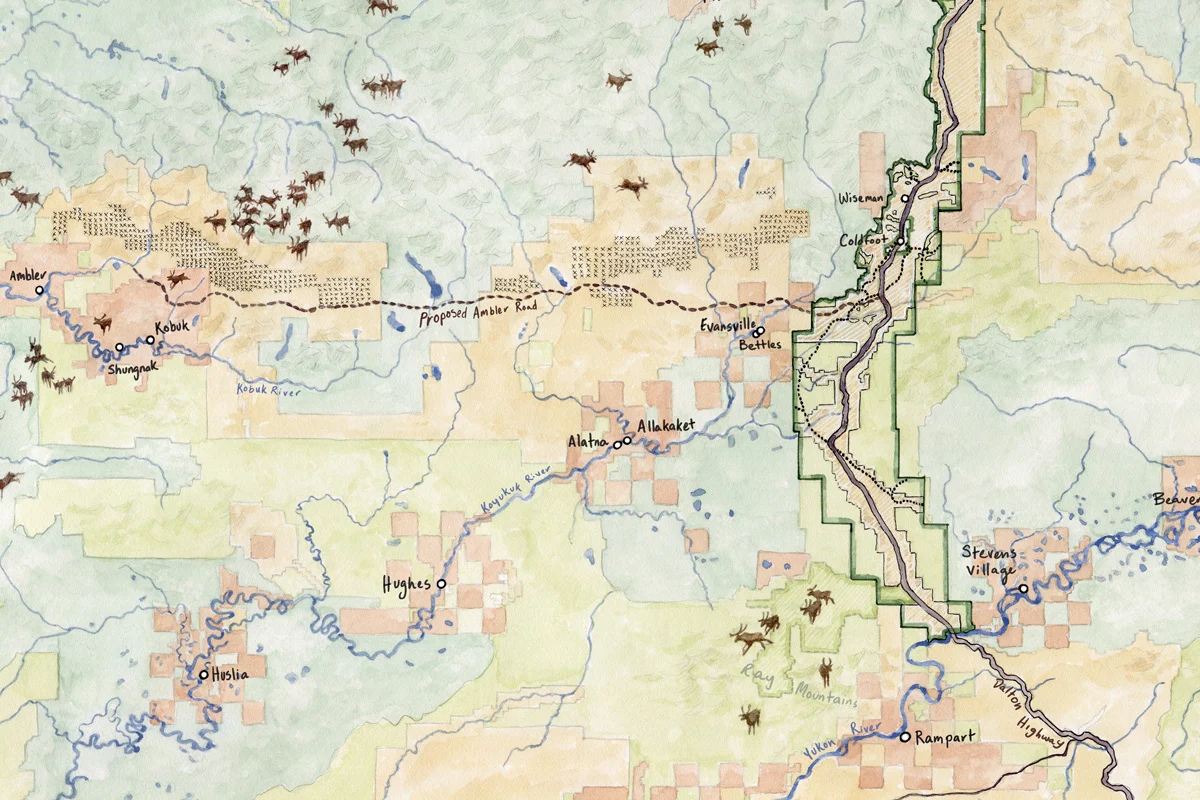
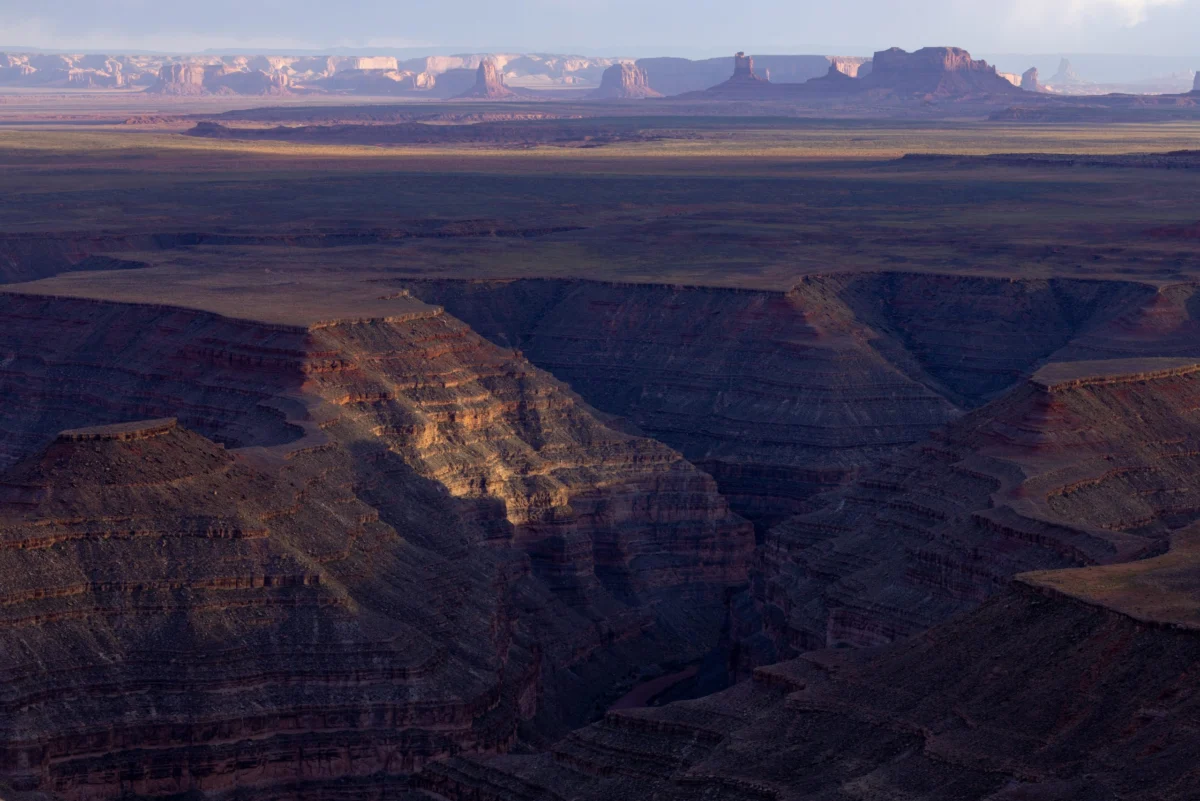
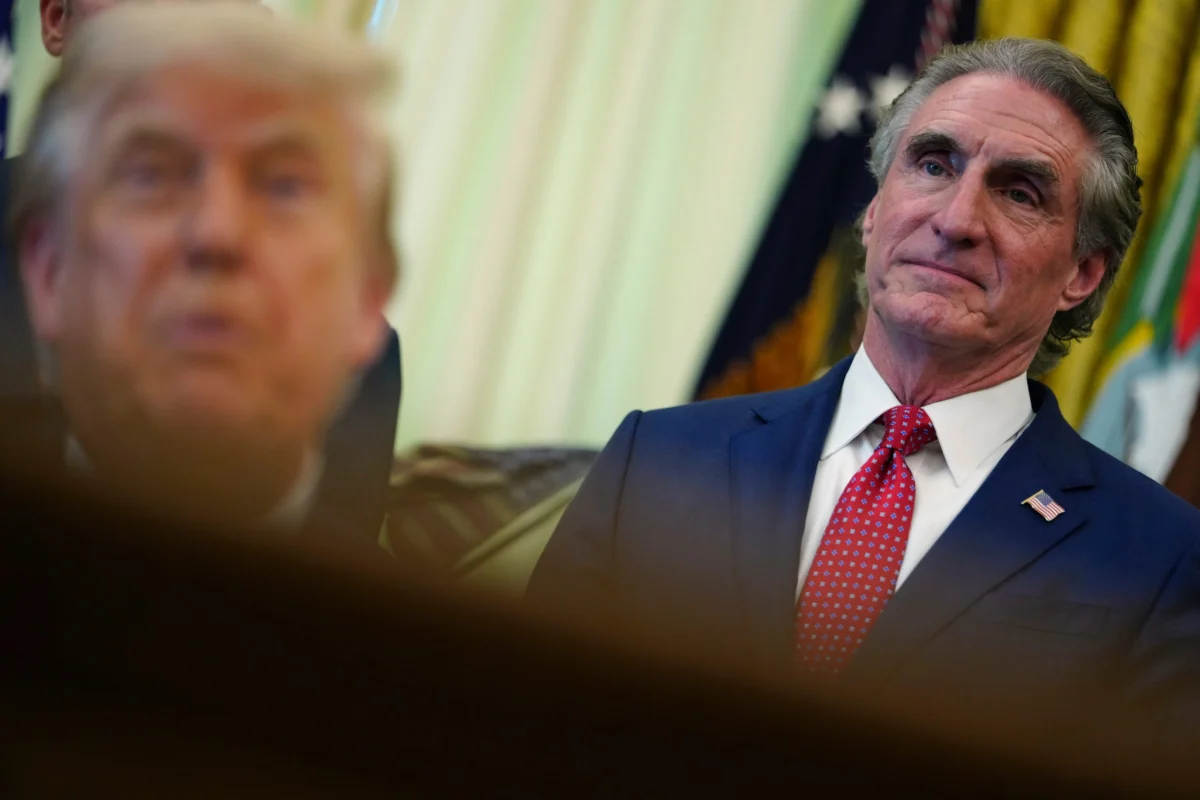
The fingerprints of Interior Secretary Doug Burgum are undeniably evident across this and a litany of other policy reversals. In less than two years, the former North Dakota governor has amassed a record that places him among the most environmentally contentious Interior secretaries in the nation’s history, drawing comparisons to figures such as James Watt, known for his pro-development stance and controversial comments during the Reagan administration; Gale Norton, who prioritized energy exploration under George W. Bush; and even Albert B. Fall, implicated in the infamous Teapot Dome scandal. Burgum’s actions have included slashing over 3 million acres from Bears Ears and Grand Staircase-Escalante national monuments in Utah, which hold immense archaeological, cultural, and ecological significance, opening vast tracts of the fragile Arctic wildlands to oil and gas drilling, streamlining regulatory processes for uranium mining and other fossil fuel projects, and approving large-scale data centers on public lands with minimal public input or environmental review.
Paradoxically, Burgum’s initial appointment at the outset of the current administration’s second term was met with a cautious optimism by some within the environmental community, who saw him as a potential "lone bright spot" in the cabinet. His self-portrayal as a pragmatic, old-school Western Republican, coupled with a gubernatorial record that included a pledge to make oil-rich North Dakota carbon-neutral by 2030 through renewable energy development and carbon capture technologies, led many to believe he might champion a more balanced approach to public land management. In January 2025, the Outdoor Recreation Roundtable, a coalition representing numerous outdoor-oriented businesses and organizations, including prominent retailers like REI, publicly endorsed his nomination, citing his "history of support for outdoor recreation, the outdoor recreation economy, and the protection of public lands and waters." This initial goodwill culminated in a bipartisan Senate confirmation vote of 80 to 17, with support from several conservation-minded Democratic senators.

However, a closer examination of Burgum’s past revealed clear warning signs that went unheeded. As governor, his "carbon-neutral" push controversially included strong support for a carbon dioxide pipeline, a project championed by Continental Resources, a massive oil and gas company founded by his close friend, Harold Hamm. This pipeline project faced significant opposition due to concerns over eminent domain and the long-term efficacy of carbon capture as a climate solution versus its role in prolonging fossil fuel dependency. Furthermore, Burgum backed draconian measures to suppress protests against the Dakota Access Pipeline, issuing evacuation orders and signing legislation that criminalized dissent, actions that drew sharp criticism from Indigenous rights groups and environmental activists. Following these measures, Energy Transfer, the company behind the pipeline, significantly contributed to Burgum’s 2020 re-election campaign. His confirmation hearing also offered a glimpse into his governing philosophy when he spoke of the "trillions of dollars of assets" buried beneath the nation’s public lands, likening them to the "balance sheet of America" that was being "restricted." While he attempted to assuage concerns by adding that his view of public land balance sheets did not include wilderness areas or national parks—"those areas we have to absolutely protect for their precious stuff"—this corporate lexicon for natural resources signaled a transactional approach to environmental stewardship.
Immediately upon taking office, any pretense of a balanced approach quickly evaporated. Burgum became an enthusiastic champion of the administration’s "energy dominance" agenda, characterized by an aggressive push for domestic fossil fuel extraction. Under his directorship, the Bureau of Land Management (BLM) saw a skyrocketing amount of acreage leased to oil and gas companies, with drilling permits issued at a rate not witnessed since the George W. Bush administration. The agency drastically curtailed environmental review processes, exemplified by reducing the entire assessment and permitting period for a Utah uranium mine to a mere two weeks. Dozens of other regulatory rollbacks followed, including a redefinition of "take" under the Migratory Bird Treaty Act (MBTA), a critical piece of legislation protecting hundreds of bird species from incidental harm. These actions prompted REI CEO Mary Beth Laughton to publicly retract the company’s earlier endorsement, a rare and significant move by a major corporation. Despite these sweeping changes, Burgum initially maintained his promise to safeguard national monuments, parks, and other areas he had previously deemed "precious."

Yet, as his tenure progressed, it became increasingly apparent that the only "precious" commodities to Burgum were the unwavering support of his corporate allies, the admiration of the administration’s political base, and, most crucially, the approval of the President. In an astonishingly short period, Burgum systematically dismantled environmental safeguards, leaving America’s vast public lands vulnerable to unchecked exploitation by corporations. His policies have not only undermined environmental protection but have also proved economically unsound, even by his own "pro-business" metrics. He actively blocked the development of solar and onshore wind projects, paying offshore wind companies to abandon federal leases, thus stifling the growth of the clean energy sector and squandering opportunities for economic diversification. The reversal of the "Public Lands Rule," which sought to elevate conservation as a primary use of public lands alongside other activities, further underscored this shortsighted approach.
Moreover, Burgum’s administration reduced royalty rates on oil and gas leases, directly cutting into the revenue that the government and taxpayers receive from these public resources. He also gutted methane emissions limits on oil and gas facilities, allowing drillers to release vast quantities of this potent greenhouse gas and other pollutants into the atmosphere. This not only exacerbates climate change but also represents a colossal waste of valuable natural gas, effectively throwing away millions of dollars worth of "assets" that could otherwise be captured and sold. Furthermore, his push to expand public-lands grazing, characterized by rates often less than $2 per month per cow, represents a significant financial drain on federal coffers and contributes to ecological degradation, including soil erosion and riparian habitat destruction across arid Western landscapes.

Beyond these policy decisions, Burgum has served as the point man for the President’s more ostentatious vanity projects, channeling tens of millions of dollars from the country’s "precious" national parks budget into politically charged initiatives, including the construction of a ballroom and a triumphal arch, and overseeing the controversial reflecting pool renovation project. This diversion of funds from critical park maintenance and conservation needs to symbolic political gestures drew widespread condemnation. Ultimately, Burgum reneged on his core promise to keep "greedy hands off precious places." He moved to eliminate a Biden-era ban on new oil and gas leases around Chaco Culture National Historical Park, a UNESCO World Heritage site of profound archaeological and cultural significance to Ancestral Puebloans and modern Native American tribes. His actions also included the aforementioned shrinkage of Bears Ears and Grand Staircase-Escalante, further compounded by the elimination of the Intertribal Bears Ears Commission, a direct blow to tribal sovereignty and a betrayal of co-management principles. The immediate consequences were undeniable: within a week of the new monument boundaries taking effect on September 11, at least 13 new mining claims were filed within the newly unprotected areas of Bears Ears.
Less than two years into his tenure, the trajectory of Interior Secretary Doug Burgum is disturbingly clear: he has transformed from a figure once perceived as a pragmatic moderate into a naked opportunist, willing to compromise his integrity and sacrifice the nation’s public lands for the benefit of corporate interests and political favor. His legacy will be defined not by stewardship, but by the systematic dismantling of environmental protections and a profound failure, even on his own business-centric terms, to manage national assets responsibly. While history will ultimately weigh whether he stands as the worst Interior Secretary of all time, it is already evident that he has proven to be, without question, the most profoundly disappointing.