Joko Susilo
In 1980, a burgeoning movement of legislators, industry representatives, and local citizens, collectively known as "sagebrush rebels," convened with a singular aim: to reclaim millions of acres of Western public lands from federal control. This gathering, described by contemporary observers as both a celebration and a strategic display, marked the rapid ascent of a previously regional, somewhat fringe cause onto the national political stage. The election of Ronald Reagan, a self-proclaimed sagebrush rebel, just weeks prior fueled immense optimism for sweeping legislative changes. Attendees voiced frustrations, exemplified by one Idaho resident’s complaint about federal land managers attempting to "lock up 700,000 acres for 600 birds," highlighting a deep-seated resentment against what they perceived as overreaching federal authority and environmental regulations. Ultimately, the Reagan administration did not enact the dramatic land ownership transfers many rebels desired, yet the underlying grievances persisted, simmering for decades and occasionally erupting into highly visible confrontations.
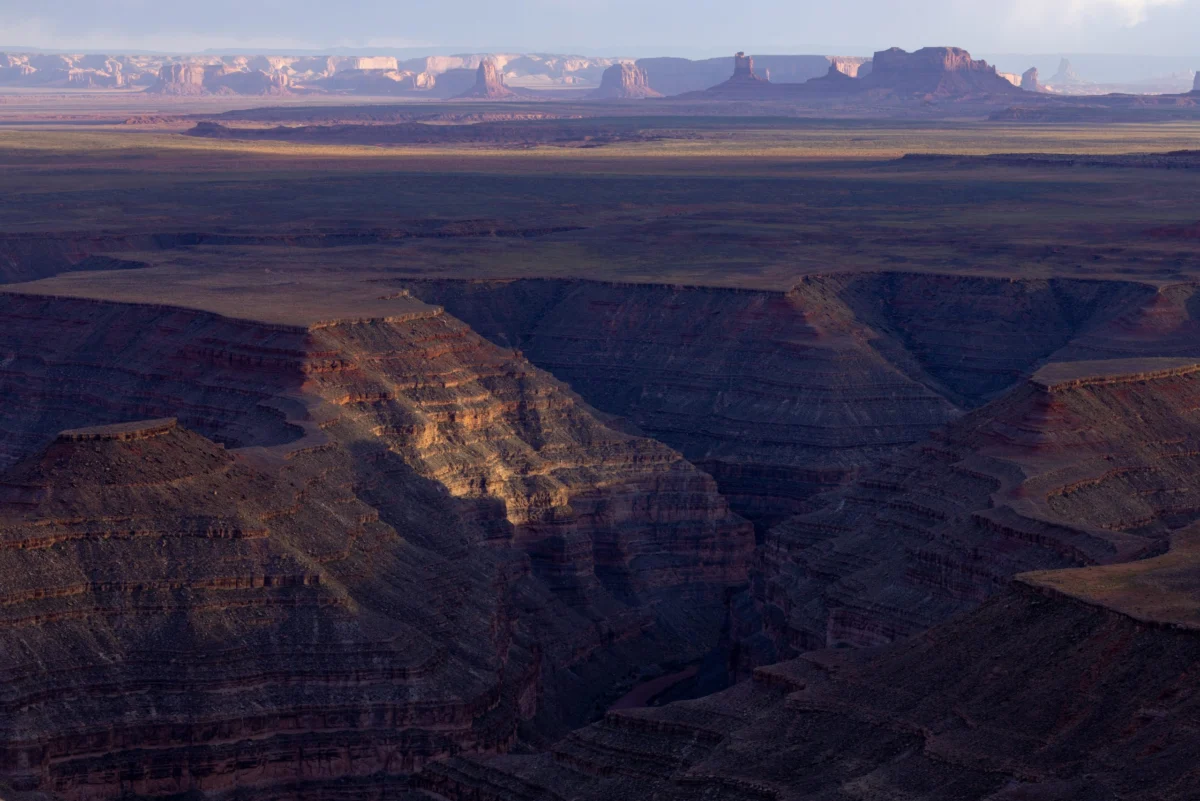
By 2016, this struggle over public lands had evolved, becoming intricately entwined with a broader, more aggressive anti-government ideology prevalent within certain right-wing movements across the United States. This potent blend found its most prominent champion in Donald Trump, whose administration later echoed the rebels’ rhetoric. In July of that year, Trump moved to significantly reduce the protected status of over 2.9 million acres within the Bears Ears and Grand Staircase-Escalante national monuments. He framed these vast, ecologically and culturally significant landscapes as "locked up, off-limits, closed," inaccurately asserting that access for activities like hunting, fishing, or even walking was prohibited. This narrative, mirroring the decades-old complaint of federal overreach, resonated deeply with segments of the population who viewed public land designations as an impediment to economic development and individual liberty.
Historical dispatches and deep dives from past decades illuminate the enduring roots of today’s political landscape, offering essential context for the movements and people shaping the American West. A 1997 report from communities bordering the newly designated Grand Staircase-Escalante National Monument, established by President Bill Clinton the previous year, vividly captured the local sentiment. Many residents initially opposed the monument’s creation, particularly as it effectively halted a massive proposal to mine an estimated 62 billion tons of coal, a significant economic blow to an extraction-dependent region. However, even some early opponents soon acknowledged an unavoidable shift: "Southern Utah’s mining, logging, and ranching are in decline; and the region is already a public-lands playground for the world." This observation underscored a pivotal moment for the area, balancing precariously between a fading, resource-extraction-based economy and the burgeoning, yet equally volatile, tourism industry, with its own seasonal boom-and-bust cycles. The question lingered: would the anger and resentment subside over time?

It did not. Despite significant economic growth in neighboring counties between 2001 and 2022, with jobs increasing by 51% and per capita incomes rising by 41%, the Grand Staircase-Escalante monument remained a contentious political flashpoint. This ongoing friction channeled deep-seated anxieties about the future of rural communities, the optimal use and valuation of Western lands, and, fundamentally, questions of community identity: Who are these communities, and what do they truly represent? These debates extend beyond mere policy, touching on core cultural values and historical narratives that define life in the American West.
The complex interplay of identity and political ideology forms the core of a 2019 profile on Markwayne Mullin, then an Oklahoma representative whose political star was on the ascendant. The profile captured Mullin before his ascent to the U.S. Senate and subsequently to a top leadership position within the Department of Homeland Security. Though a citizen of the Cherokee Nation, Mullin challenged "stereotypical notions of what it means to be Indigenous, either in how he looks or how he operates as a lawmaker." He presented a figure full of apparent contradictions: an ultra-conservative legislator known for bipartisan dealmaking, and a white-passing individual who advocates for tribal sovereignty, yet serves an administration that has actively rolled back measures intended to bolster that very sovereignty.
A stark example of this paradox was the Trump administration’s decision to drastically shrink Bears Ears National Monument, a move that simultaneously eliminated the tribal land commission co-management structure put in place to ensure Indigenous voices guided the monument’s preservation and use. Since assuming leadership at DHS, Mullin has invoked his Native identity to counter accusations of racism directed at his department. Yet, DHS simultaneously pressed forward with the construction of new segments of the U.S.-Mexico border wall along the southern boundary of the Tohono O’odham Nation Reservation in Arizona, directly over the tribe’s vehement objections. This ongoing construction not only divides ancestral lands but also threatens sacred sites and cultural practices, illustrating a profound conflict between national security imperatives and Indigenous rights. The question of whether Markwayne Mullin genuinely serves the interests of Indian Country remains complex and hotly debated, with many questioning his willingness or ability to challenge policies fundamentally hostile to tribal self-determination and land stewardship.
Many of the enduring tensions highlighted in these historical narratives are profoundly active in the current election cycle, shaping national discourse and electoral outcomes. During the original Sagebrush Rebellion, proponents adeptly presented themselves as the authentic voice of the West, a narrative often amplified by media, despite evidence that their specific policy proposals generally lacked widespread public support. Today, a similar dynamic persists, with certain archetypes, particularly "white men in cowboy hats," frequently portrayed as the definitive representatives of Western inhabitants. This simplistic depiction unfortunately flattens the rich, multifaceted complexity of the region. The modern American West is a mosaic of Indigenous nations, growing Latino communities, bustling urban centers, burgeoning tech industries, committed environmentalists, and diverse new residents, all with varying perspectives on land use, economic development, and cultural heritage.

This complexity is visibly manifesting in several high-stakes races this fall, where the West could play a decisive role in determining the balance of power in both chambers of Congress. For instance, Alaska’s Senate race features Mary Peltola, a moderate Democrat and Alaska Native who grew up immersed in the fishing traditions near the Bering Sea, challenging Republican incumbent Dan Sullivan, who hails from Cleveland and attended Harvard. This contest, like many others across the region, encapsulates the clash of values, backgrounds, and visions for the future of the West, reflecting deeper national conversations about identity, environmental stewardship, economic opportunity, and the role of government.
These origin stories provide invaluable insight into the present moment, clarifying the historical forces and ideological currents that have shaped contemporary conflicts. However, they do not dictate the future. Instead, they serve as a powerful reminder that the trajectory of these vital debates, and indeed the future of the American West itself, is not predetermined; it is actively being forged in the decisions and actions undertaken right now. The enduring questions of who controls the land, how its resources are managed, and whose voices truly represent its diverse inhabitants continue to resonate, profoundly influencing the nation’s political and environmental landscape.